Your shopping cart is empty!


Table of contents
For men, just like for women, it is important to choose frames that suit the face. A poor choice can ruin the impression, while well-chosen glasses will highlight your individual style.
In this article, we will look at how to determine your face shape and, based on this, choose the optimal frame style.
How to Determine Your Face Shape?
There are a few simple ways to do this:
- The mirror outline method: Push your hair back from your face and stand in front of a mirror, close one eye, and, for example, using the tip of a cotton swab dipped in water, soap, or a marker, trace the reflection of your face shape directly on the mirror. Step back and compare the drawn outline to typical shapes (oval, round, square, heart, etc.) to see which it resembles most. This will give you a basic idea of your face shape.
- Visual feature analysis: Take a close look at yourself — are your features more rounded or angular? How prominent is your jawline or chin? For example, do your cheeks have noticeable fullness and soft contours (typical of round faces), or is your face elongated (oval or rectangular), or perhaps you have a very wide jaw (square type)? The answers to these questions will help narrow down the shape category.
Note: Don’t worry too much if your face shape doesn’t fit neatly into one category. In that case, go with the closest similar type or combine the advice. The main goal is to find a balance between your face shape and the frame shape so that they complement each other.
How to Choose Frames for Your Shape?
Below we’ll look at the main face types and the frames that suit them. Most often, 6–7 classic shapes are distinguished. Here the rule of contrast applies: the shape of the frames should balance the face and contrast with its contours, rather than replicate them.
For example, for a round face it’s better to choose angular glasses, and for a square face — rounded ones. At the same time, the size of the frames should be proportionate to the size of the face.
Oval Face
The oval is considered the most proportionate and versatile shape. It is characterized by a slightly wider forehead and cheekbones with a narrower chin. If you have an oval face, you’re in luck because almost any frame shape will suit you. You can experiment with various designs, from rectangular and square to round or aviator styles.

- Recommended styles: All types of frames that maintain natural proportions. Rectangular, square, round shapes, aviators, and wayfarers look great. You can even try bold geometric or vintage designs. The main thing is that the glasses are not too wide or too narrow for your face.
- Avoid: Frames that are too large, which can overshadow harmonious features, and very shallow lenses that visually shorten the face.
|
|
|
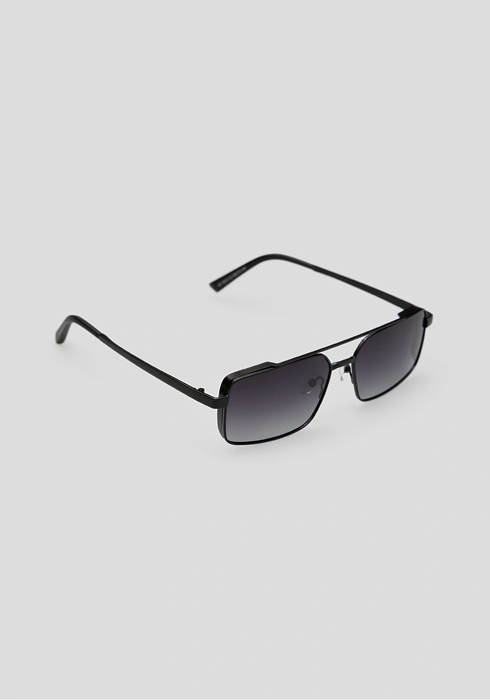
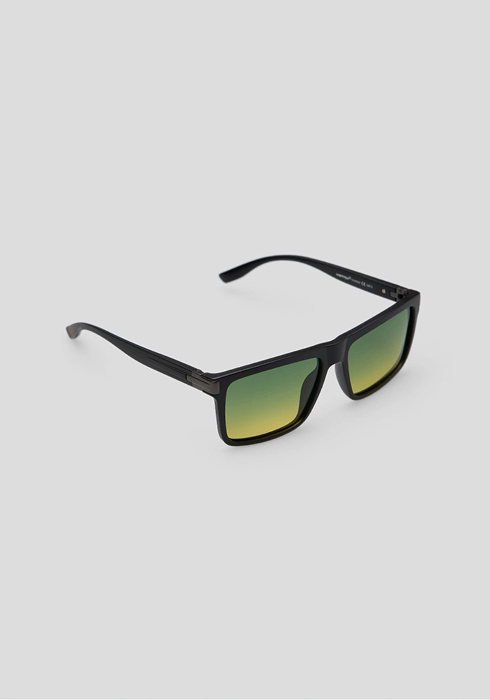
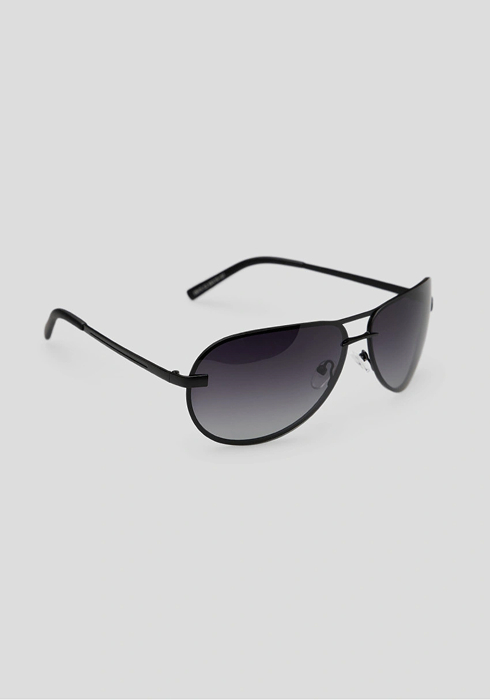
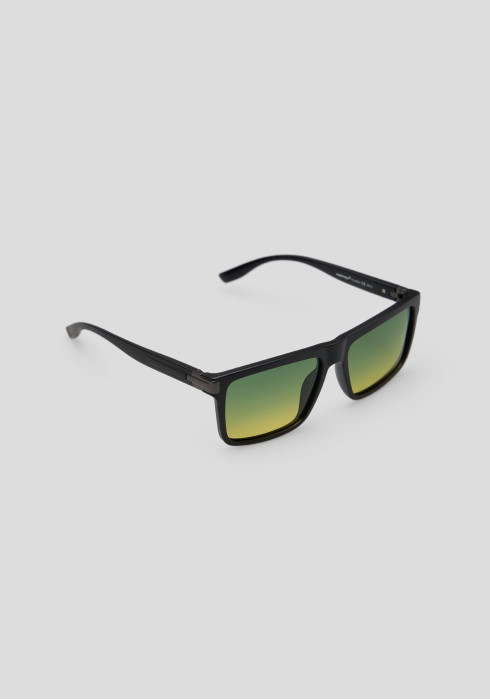
Round Face
A round face is approximately equal in width and height, with soft shapes: full cheeks, a rounded chin, and a low forehead. The goal of glasses is to visually “lengthen” and slim down the face for balance.

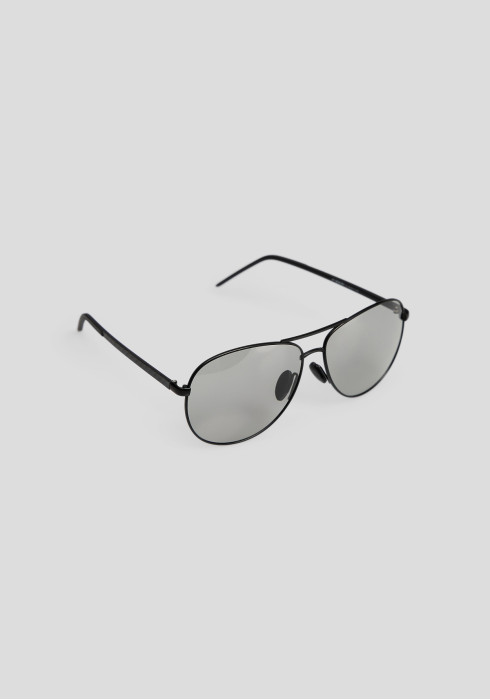
- Recommended styles: Angular glasses that add vertical or diagonal lines: rectangular, square, trapezoid frames. Aviators, geometric frames with sharp lines, wayfarers, and models with a pronounced top line that draws attention to the brow area work well. Horizontally elongated shapes create the illusion of a narrower, longer face.
- Avoid: Small or round glasses that repeat the face shape and emphasize cheek fullness, as well as very narrow, small, or thin frames that don’t create contrast.
|
|

Square Face
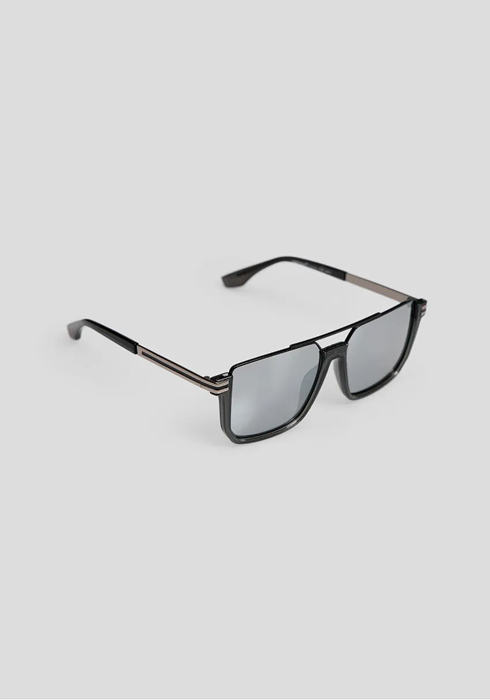
The square type is characterized by a wide chin, strong jawline, broad forehead, and generally more defined angles. The face is roughly equal in length and width, but with angular contours. Such proportions look masculine, but glasses should slightly soften sharp features and balance proportions.

- Recommended styles: Glasses with rounded details will suit you. Soft shapes counterbalance the sharpness of cheekbones and jaw. A great choice is round and oval lenses. Classic aviators with gently rounded edges also work well. Retro styles like browline frames (accenting the upper line) or even a subtle “cat-eye” shape are good options, as they add curvature to the upper part of the face.
- Avoid: Frames that repeat the square shape. Rectangular or square glasses will emphasize a strong jaw and forehead, making features appear harsher. Highly angular geometric models are also undesirable. The goal is to add some softness, so the frame should have at least partially rounded lines.
|
|
Rectangular Face
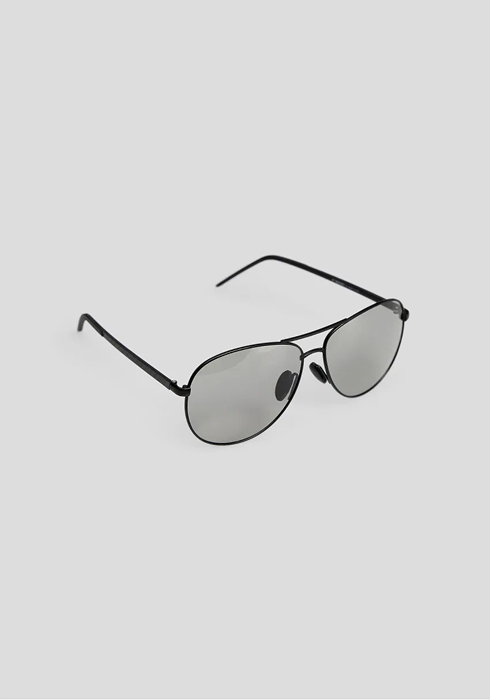
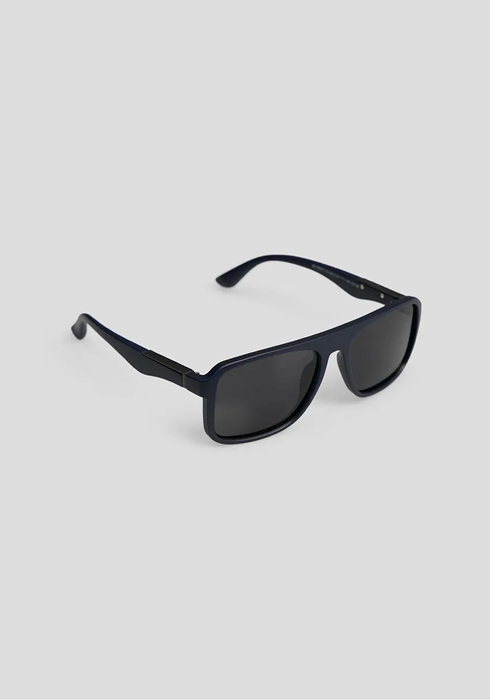
This type is sometimes called elongated or oblong. The face is noticeably longer than it is wide; the forehead, cheekbones, and jaw are roughly the same width. Rectangular faces often have a long chin and high forehead. The aim when choosing glasses is to slightly “shorten” and widen the face by adding horizontal accents.

- Recommended styles: Choose glasses with round or softly square lenses, preferably of medium or greater vertical height. Round or oval frames add needed width and soften the “length” of the face. Aviators are a great choice as they have tall lenses and a characteristic horizontal bridge that visually shortens the face. Various oversized models also work well: larger glasses cover more of the face, making it appear less elongated.
- Avoid: Narrow and small frames. Glasses with low lens height will only emphasize the verticality of the face, leaving a lot of open space between the glasses and chin. Also avoid very angular and straight shapes — some curve is preferable. Extremely rectangular, long rimless glasses are also not ideal. In short, avoid models that are vertically narrow, as they can elongate the face even more.
|
|
Heart-Shaped Face
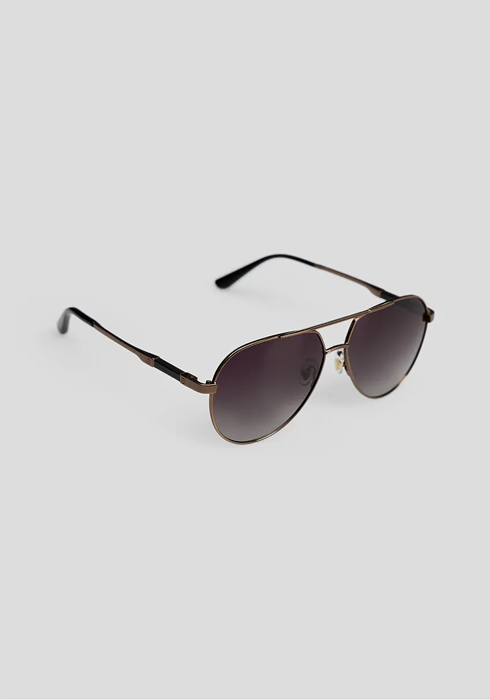
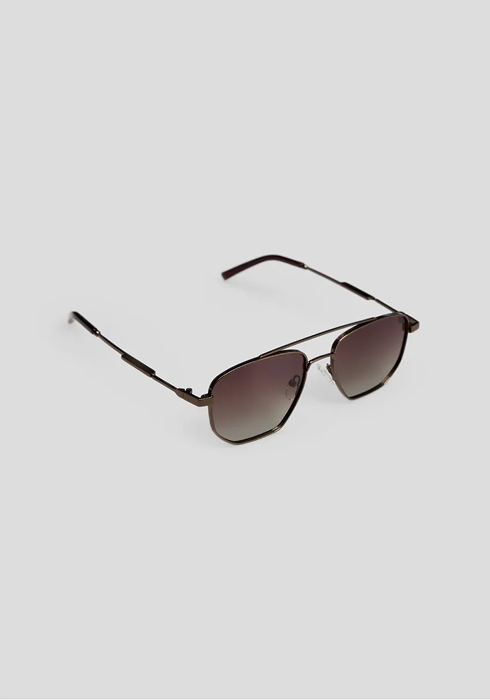
The heart-shaped face, also known as an inverted triangle, is wider at the top and narrows toward the bottom. Typical features: broad forehead, prominent cheekbones, narrow chin, sometimes with a pointed tip. The goal of glasses is to balance the wider top with the narrower bottom of the face.

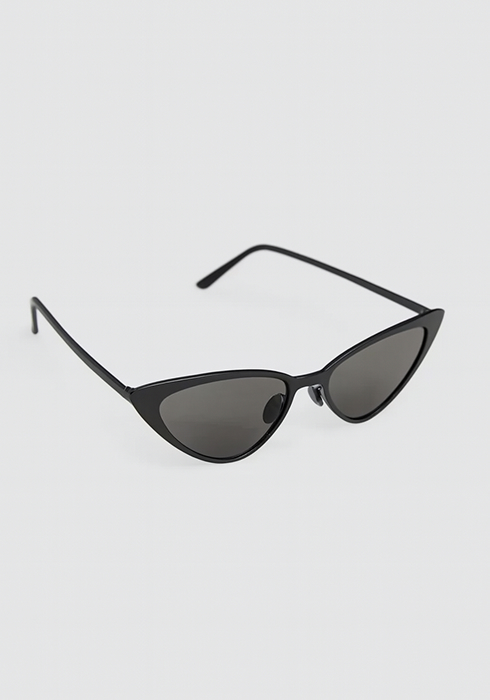
- Recommended styles: Frames that are accented at the top work well — this helps draw attention away from the narrow chin. Excellent choices include cat-eye styles, especially with pronounced upper corners that lift the face shape toward the temples, giving a lifted and open look. Aviators are also a good option as their wide top balances a narrow chin. Round or oval glasses are another choice, particularly if the temples are attached closer to the top of the lenses, adding balance.
- Avoid: Overly heavy frames that can overwhelm the upper part of the face. Rectangular shapes without softer details, especially if wide, can emphasize the jawline, which is not desirable. Be cautious with very thin frames or models with low-set temples — they draw the focus downward instead of upward.
|
|
Diamond-Shaped Face
The diamond face shape is characterized by very wide cheekbones with a relatively narrow forehead and chin. The face resembles a diamond: widest at the cheeks, narrowing upward and downward, often with a pointed chin. This type is less common. The main task is to visually balance a narrow forehead while slightly softening the cheekbones.

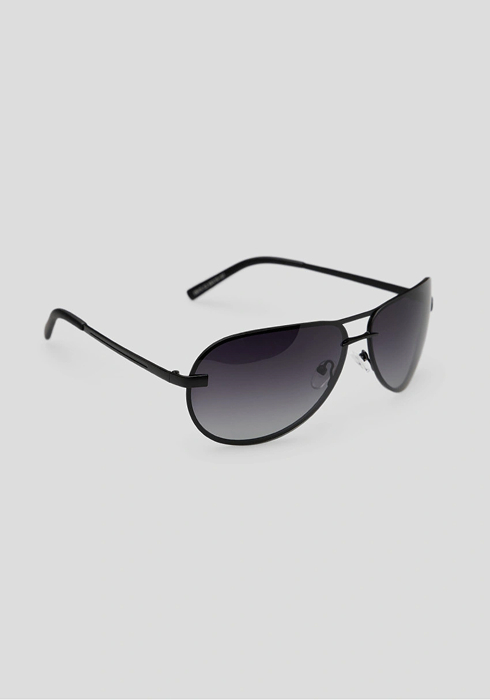
- Recommended styles: Frames with substantial width work well to “widen” a narrow forehead and draw attention away from the cheekbones. Classic aviators are an excellent choice — their broad top balances the cheekbones. Various oval frames also suit, especially medium or large sizes: rounded edges soften sharp features. Oversized models can work well too — large lenses cover prominent cheekbones and give the face a more oval proportion.
- Avoid: Small and angular glasses. Sharp corners in the frame will echo already sharp cheekbones, which is best avoided. Narrow models won’t solve the problem, as the face will extend beyond the sides of the glasses. Small round lenses aren’t ideal either — opt for round but sufficiently large ones instead.
|
|

Conclusion
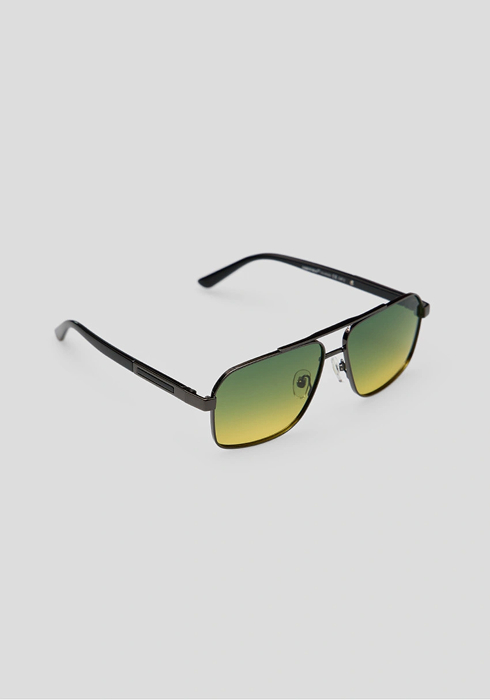
Well-chosen glasses are much more than just eye protection: they complement your look and can become a signature style element for everyday wear.
Remember the key points: The shape of the frame should contrast with your face shape to balance proportions. Choose the size according to your measurements — glasses should fit comfortably, without pinching or slipping.
And an important tip: wear your glasses with confidence. If you feel comfortable and like how you look, it will be immediately noticeable to others. Glasses should emphasize your individuality, not hide it, so choose thoughtfully, try different options, and find the pair that makes you feel your best.
Heroes of this material
previous
next