
 Fitting with a stylist


Your shopping cart is empty!


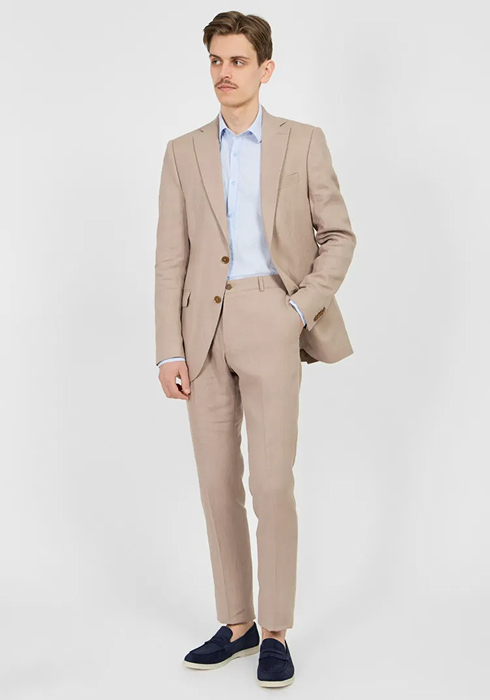
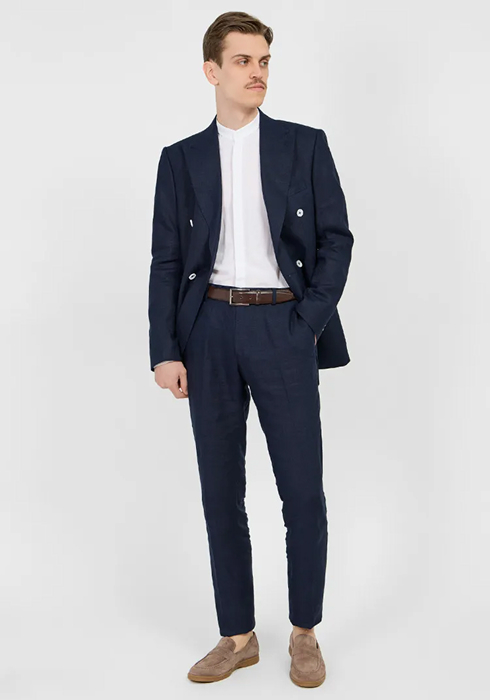
A navy suit, a light blue shirt, brown shoes… but something still feels off. How many times have you stood in front of the mirror with this unpleasant feeling? Combining colors is like a code that many men can’t crack for years. In reality, mixing colors isn’t as difficult as it may seem at first glance. In this article, we’ll reveal several basic principles and practical techniques to help you learn how to combine colors successfully and independently in a man’s wardrobe.
Choose Neutral Colors as the Base of Your Wardrobe
The simplest principle to follow is to use neutral shades in your clothing. The basic universal colors include navy, gray, brown, green, and white. It’s important to remember that each of these base colors has many tones. At first, stylists recommend choosing the extremes of the spectrum, that is, very light or very dark shades of each of these colors.
For example, when it comes to brown, it’s better to opt for either light brown or beige tones, or, on the contrary, deep chocolate (almost black). Avoid starting with intermediate “reddish” shades, as combining these mid-tones is much more challenging—you’ll get there with experience. This principle applies to all other base colors in your wardrobe.
Thus, by filling your closet with items only in a neutral palette (each color in both light and dark variations) plus adding universal white, you get an almost endless number of possible combinations. Shades of navy, gray, brown, and green mix harmoniously with each other, forming the base for almost any look.
|
|
The Three-Color Rule: Myths and Reality
A well-known style rule says that you shouldn’t combine more than three colors in one outfit, otherwise it will look overloaded. This is partially true, but only partially.
It’s important not only to limit the number of shades but also to monitor their compatibility. If you blindly follow the “no more than 3 colors” rule, you might, for example, stay within two but pick an unfortunate combination like purple with brown. Will that duo look good? Let’s be honest—not really, and we’ll explain why below.
For clarity, let’s look at a classic men’s outfit that might consist of the following colorful elements:
- navy blazer;
- burgundy tie;
- shirt with red or purple stripes;
- burgundy socks;
- gray trousers;
- dark brown suede loafers.
|
|
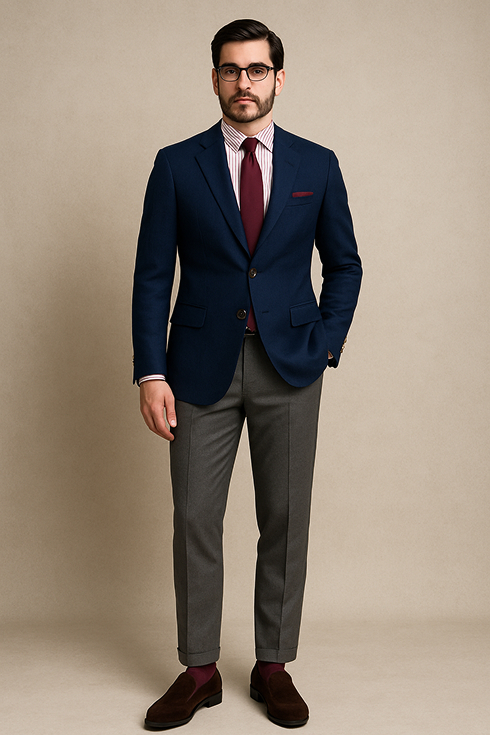
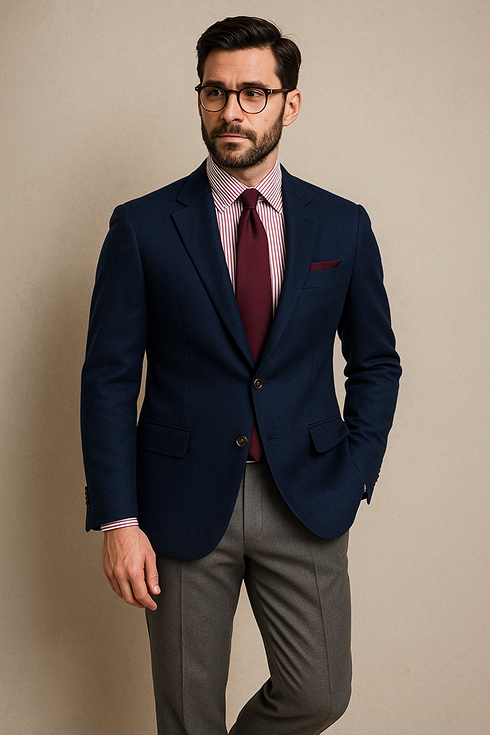
Agree, this outfit looks great, even though it involves at least five or six different colors. At the same time, the look doesn’t seem overloaded; on the contrary, all the items harmoniously complement each other.
So, the three-color rule doesn’t always work. Moreover, in layered, complex outfits it almost doesn’t apply. True style is precisely about the ability to combine many different elements in one ensemble and still look harmonious.
Think of a truly stylish man who only wears, let’s say, a simple polo and trousers. Yes, he may have good taste, but you probably wouldn’t call him a style icon. Now imagine the same man in autumn: he’s wearing trousers, leather shoes, a turtleneck, a cardigan, and an overcoat — looks much more interesting, doesn’t it? The more thoughtfully layered pieces and details (without overdoing it, of course), the more stylish the outfit appears.
Note: In style theory, white is often considered “the absence of color,” unlike in physics, where it’s a combination of all colors. This means that white is neutral and isn’t counted as an additional color in an outfit. So feel free to use it as a base.
Warm and Cool Shades: Can They Be Mixed?
You’ve probably also heard about the division of colors into warm and cool shades. In reality, almost every color can have a warmer or cooler tone, and perfectly pure shades almost never exist, especially in natural fabrics, where threads are often blended and have multiple hues.
General rule: it’s undesirable to combine items of different tonalities in one outfit, i.e., warm and cool shades. If you’re wearing, say, a navy blazer, your beige trousers should be in a cool tone. If the trousers are warm beige, the outfit can still look fine, but if you want a 5 out of 5, choose the coolest beige possible.
This rule applies to other combinations as well: for a perfectly polished look, make sure all major items in your outfit belong to the same temperature range — either all warm or all cool.
By the way, if you don’t want to spend time searching for perfect color combinations and need a ready-to-go look, contact our YARMICH stylists — they’ll help you create an outfit for any occasion or event.
Thanks to playing with shades, your basic palette can become almost limitless. If you build a wardrobe of items in the four neutral colors mentioned, with both warm and cool variations, you’ll practically have endless combination possibilities. With such an arsenal, it’s truly easy to create versatile looks for any mood or occasion.
Monochromatic Looks — Simple and Winning
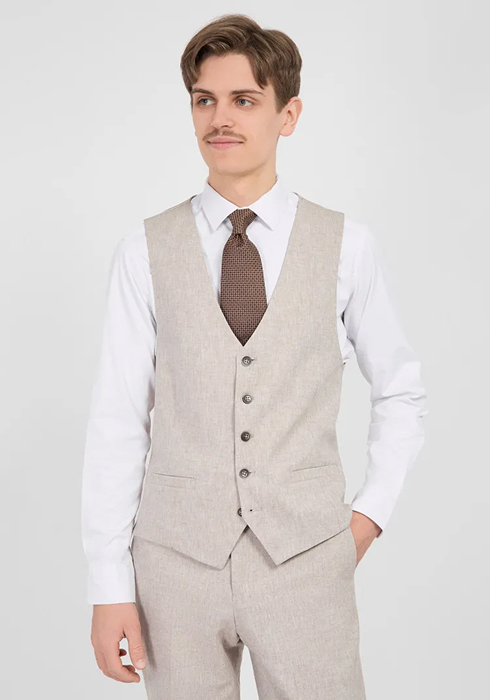
This technique is especially relevant for everyday situations: you create an ensemble within one color by combining its different shades. Gray and brown work best for monochromatic looks. Other colors can work too, but if you want to look elegant, start with basic gray or brown tones. In hot weather, monochromatic outfits in beige or white shades look particularly striking.
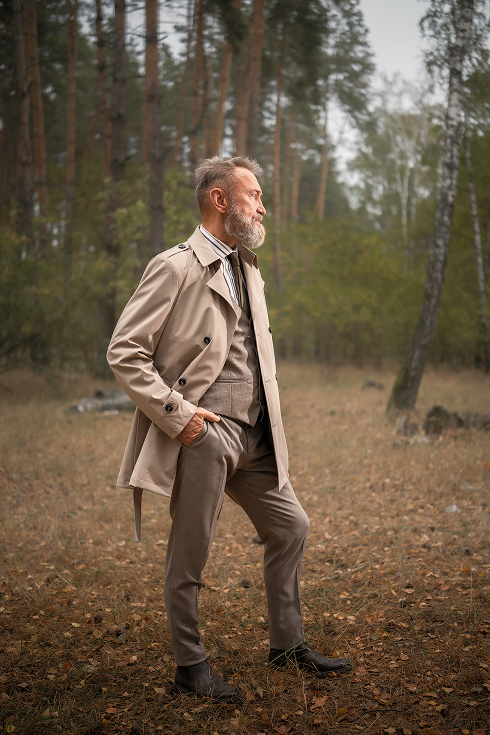
Example of a monochromatic outfit: warm-toned gray-brown trousers + vest of the same color + light beige trench coat. When the difference between the colors of the top and bottom is minimal, the outfit automatically looks very elegant and cohesive.
|
|

Contrast Principle: Dark Bottom, Light Top
If monochrome feels boring, contrast comes to the rescue. The simplest and most fail-proof contrast combination is dark bottom + light top. This scheme always works perfectly and suits almost everyone. We especially recommend it for smart casual style, when you combine a classic blazer with trousers that are not part of a suit. Darker pants and a lighter blazer or sweater together look harmonious and expensive.
Can you do the opposite, meaning light bottom and dark top? Yes, sometimes this combination works and can be successful, especially in very casual looks. But for most cases, we recommend building your outfit using the “dark bottom and light top” scheme, especially when it comes to semi-formal outfits with a blazer. This is a classic approach that will almost always look winning.
|
|


Color Repetition in the Outfit
Another secret that makes an outfit harmonious is color repetition. The idea is that one of the colors in your look is echoed in different details. For example, you wear a light brown polo, brown loafers, and navy trousers. Because brown is repeated twice, the whole look appears more cohesive and well thought-out.
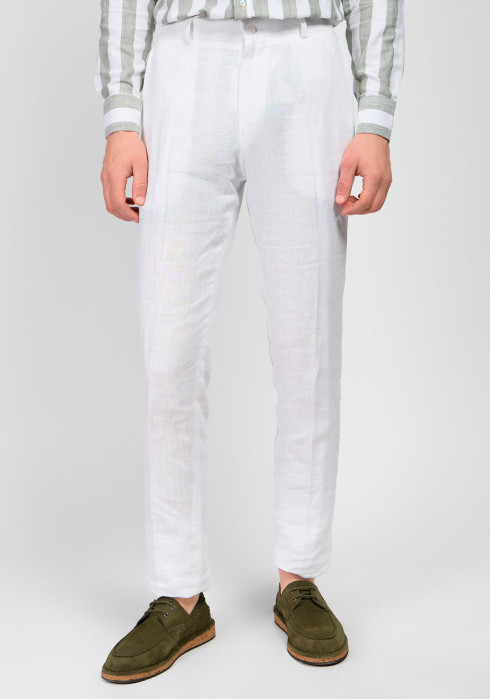
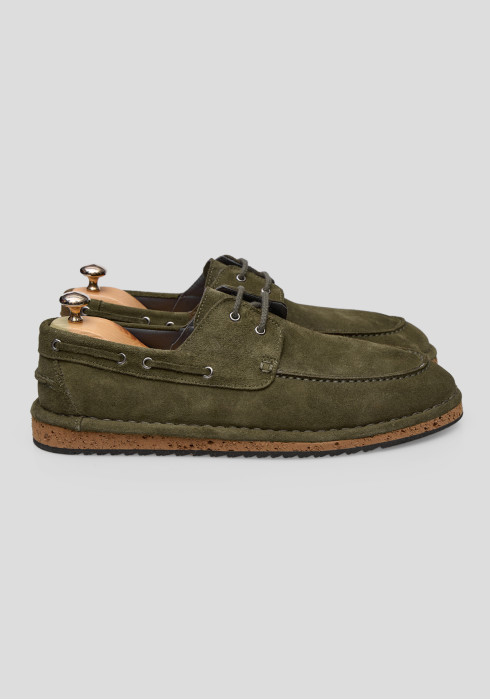
Another example: a green striped shirt + green boat shoes + white trousers. Or matching the color of your blazer with the color of accessories (tie, belt, etc.). In short, when a common shade appears in different pieces of your outfit, it visually “ties” the look together.
|
|


The main thing is not to overdo it: selecting items in an exact tone-for-tone match is neither necessary nor practically possible. It’s enough if the shades are close to each other. Repeat colors in moderation: for instance, two elements of the same color are usually enough, like in the example with socks and a sweater. If you try to make every item the same color, that would already be a monochromatic look, which we discussed above.
A Plaid Blazer Hack
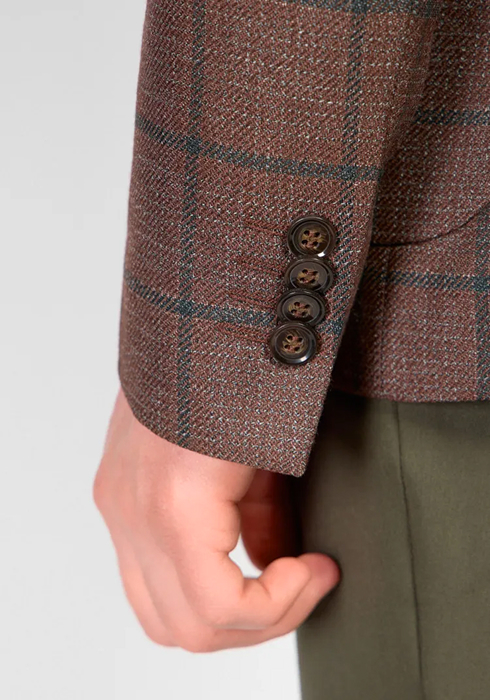
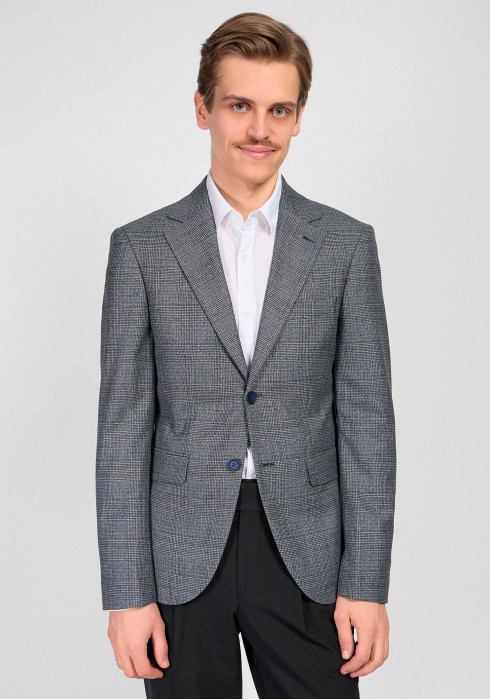
A special case of color repetition is combining plaid items. Many men avoid plaid blazers because they don’t know what to pair them with. The simplest solution is to repeat one of the colors of the plaid in another part of the outfit. For example, if you have a brown blazer with a green check, wear it with either green trousers or a green turtleneck. Trust us, the ensemble will look great.
|
|
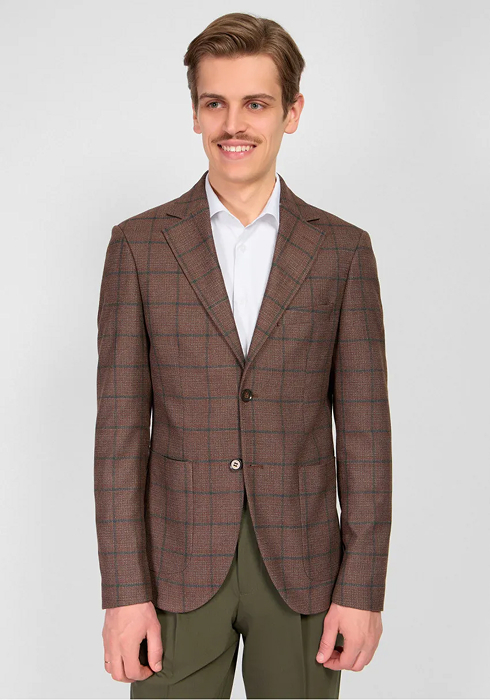
A careful reader might object: wait, navy is a cool color and brown is warm. Doesn’t this break the rule? In reality, this combination is not bad. Yes, there are more winning options, like the same navy blazer with gray or beige trousers, but that doesn’t make the look above unsuccessful.
Similarly, don’t be afraid to wear, for example, a dark brown blazer with gray trousers, even if it’s a mix of warm and cool tones. Of course, brown with beige trousers will look even better, but with gray it still looks perfectly fine. Remember: clothing color should always be chosen according to the specific situation.
Color and Dress Code
Color choices in your wardrobe should be appropriate. For example, even the most stylish green or brown suit will look out of place at formal business meetings. Business dress codes usually call for neutral, restrained palettes: navy, gray, and black suits.
On the other hand, at a wedding or another formal celebration, a suit in an unusual shade—olive, terracotta, or burgundy—can become your signature. You’ll stand out favorably against the sea of identical navy and gray blazers. Thus, it all depends on context: bright or unconventional colors are best saved for informal situations where they will shine.
Examples of Stylish Combinations
To inspire you, here are a few fail-proof color combinations that work great in a man’s wardrobe:
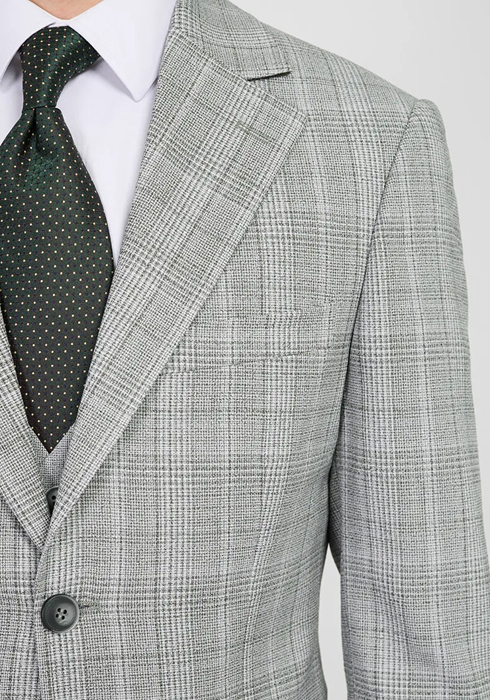
- Dark green + gray. A restrained and elegant combo that suits almost everyone.
- Brown + beige. A very natural, warm combination for a confident look.
- White + burgundy. A contrast pair that looks festive and expressive, such as a white shirt and burgundy blazer.
- Navy + mustard. A fresh and non-trivial duo for those who aren’t afraid of attention. Deep navy perfectly highlights rich mustard.
|
|
|
|

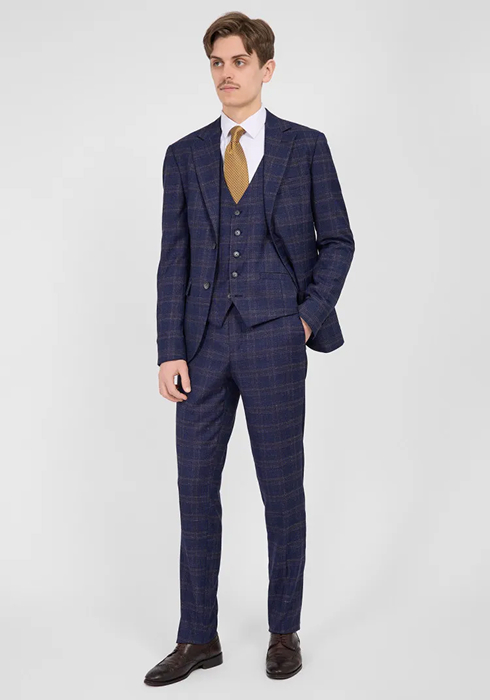
Of course, these are just a few examples—there are many more successful combinations. Experiment with similar shades, try new mixes, and find the pairs that suit you best. Or visit YARMICH boutiques, where our stylists will professionally create a look for you.
We hope these tips will help you combine clothes of different colors with more confidence. And remember: harmonious color solutions aren’t about strict dogmas, but about basic principles and your creative approach.
Heroes of this material
previous
next
38
39
40
41
42
43
44
45
46
Special -41%
44
46
48
50
52
54
56
58
60
62
64
66
68
44
46
48
50
52
54
56
58
60
62
64
66
68
Special -20%
XS
S
M
L
XL
2XL
3XL
4XL
5XL
XS
S
M
L
XL
2XL
3XL
4XL
5XL
38
39
40
41
42
43
44
45
46
38
39
40
41
42
43
44
45
46
XS
S
M
L
XL
2XL
3XL
4XL
5XL
38
39
40
41
42
43
44
45
46
XS
S
M
L
XL
2XL
3XL
4XL
5XL
Special -30%
44
46
48
50
52
54
56
58
60
38
39
40
41
42
43
44
45
46

44
46
48
50
52
54
56
58
60
62
64
66
68

44
46
48
50
52
54
56
58
60
62
64
66
68

44
46
48
50
52
54
56
58
60
62
64
66
68
44
46
48
50
52
54
56
58
60
62
64
66
68
