Your shopping cart is empty!

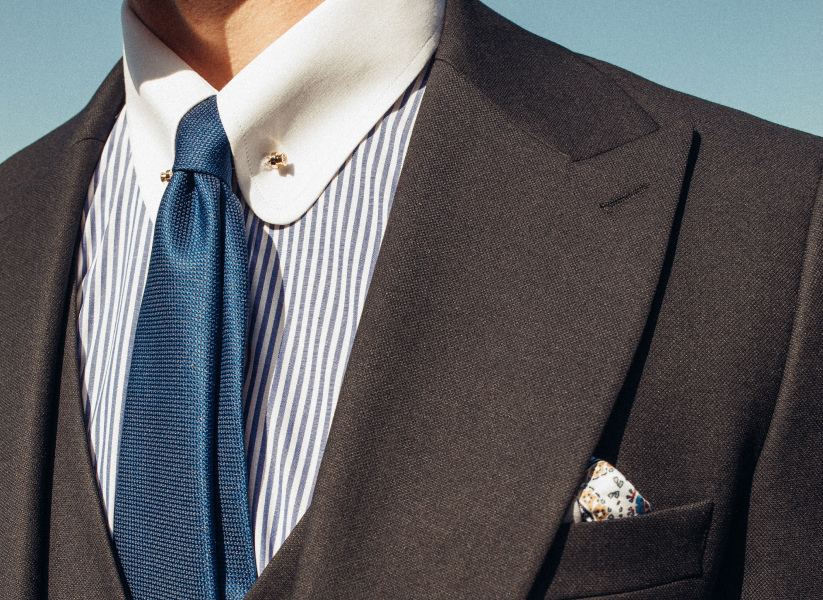
Table of contents
Have you ever wondered which tie truly highlights your individuality? Why can one pocket square turn a suit into a masterpiece, while another one ruins the entire look? And how can you tell the quality of an accessory at first glance?
In this article, we’ll explore 3 key differences between a high-quality and a poor-quality tie, and explain how to distinguish a good pocket square from one that undermines your style.
What should a good tie be made of?
Material is the first thing to consider when choosing a tie. It determines the look, durability, and how the accessory behaves during daily wear. A quality material should easily withstand dozens of ties and unties without losing its shape — that’s why premium brands use only natural fabrics.
Silk
Silk ties are rightfully considered the most elegant. They feature a characteristic texture, subtle sheen, and tie a beautiful knot. But it’s important to note: not all silk is high quality. On the market, you’ll find both refined, lightweight models and overly dense, heavy ones that, despite being 100% silk, look coarse and resemble polyester. High-quality silk should feel pleasant to the touch, drape well, and create a knot that looks flawless.
Synthetics
Despite the stereotypes, not all synthetics are bad. Today’s market offers ties made from artificial fibers that can look quite decent — and sometimes even rival natural ones in appearance. It all depends on the fabric’s quality and the production technology.
High-quality synthetic ties are often made of microfiber — a modern fiber with a pleasant matte texture that drapes better, doesn’t shine, and retains its shape. These ties are durable and easier to care for.
Tie construction
When we choose a tie, we usually notice the color, pattern, or fabric first. But it’s the construction — how it’s sewn, how many layers it has, and its thickness — that ultimately determines how it looks on you, how it holds up throughout the day, and whether it ties a good knot.
Premium ties are handmade in 90% of cases. This allows the use of thinner, more expensive fabrics that behave naturally and drape perfectly. The most common format is a three-fold tie, but there are also 7-, 9-, or even 12-fold ties, which cost significantly more. Still, they are more of a luxury item than a necessity.
One of the main enemies of a good knot is excessive thickness. Even an expensive tie won’t look great if it’s too thick — the knot will be bulky, and the accessory itself will appear clumsy. This is common with low-quality synthetics or thick interlining.
A thin tie isn’t about “skinny ties”, but about the right thickness of both fabric and interlining. This ensures a neat, symmetrical knot, whether you prefer a narrow or wide option.
In cheap models, the interlining may be thicker than the tie itself, just to give the accessory some shape. In quality handmade ties, the interlining is light, thin, and flexible, helping create a neat knot that keeps its form.
Tie color
When choosing a tie, color is the first thing that catches the eye. It doesn’t define quality, but it definitely shapes impressions — whether you know style or just grabbed the first thing you saw. That’s why it’s important to know which colors work and which ones simply ruin the look.
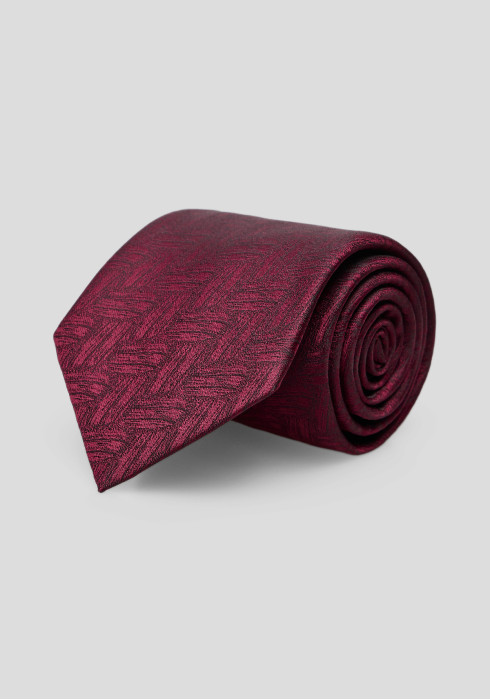
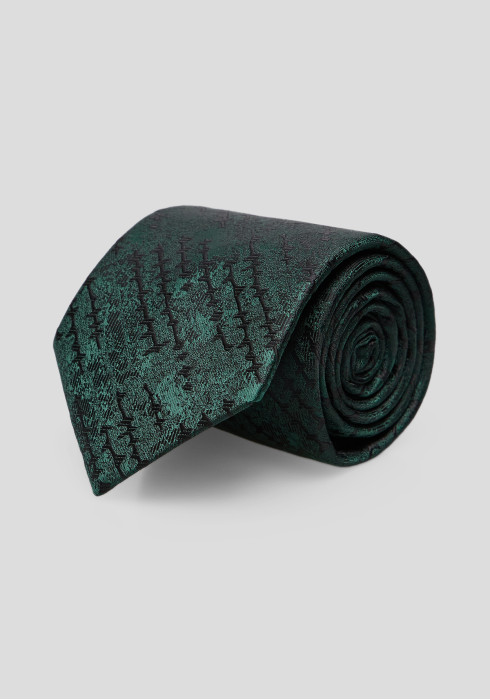
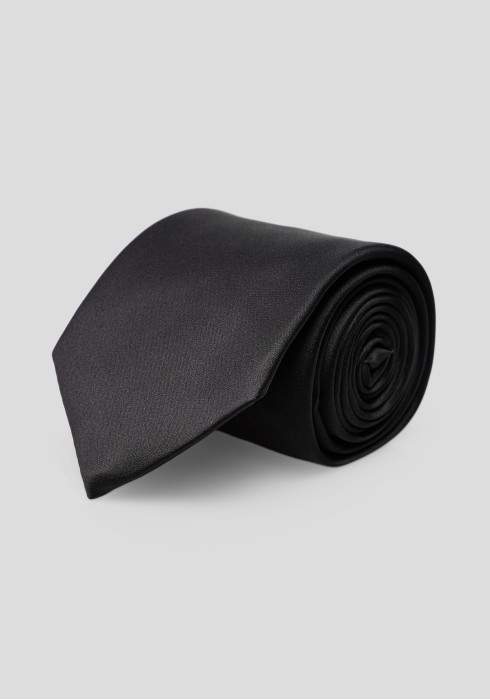
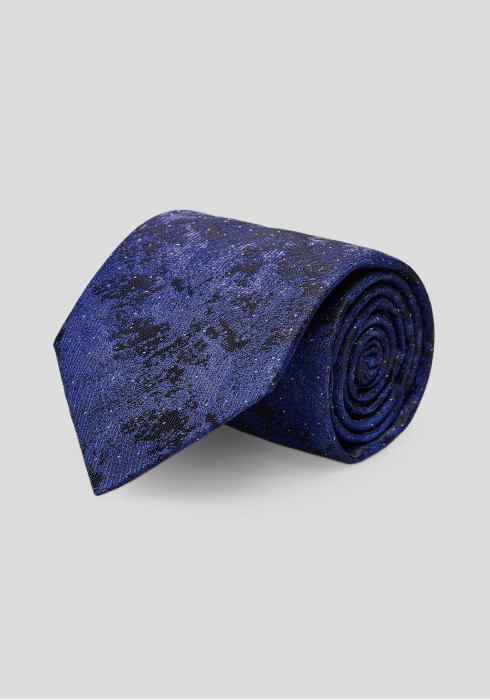
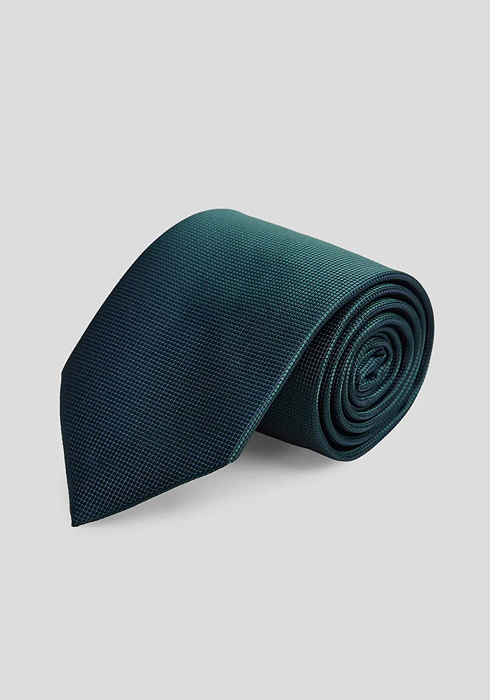
Premium ties usually feature subtle, sophisticated shades. Even if the color is yellow, lilac, or green, it’s typically muted and deep. This approach allows you to wear a colorful tie with a formal suit and still look appropriate. If you prefer solid-color ties, choose one made of a textured fabric — like fine ribbing or a matte surface.

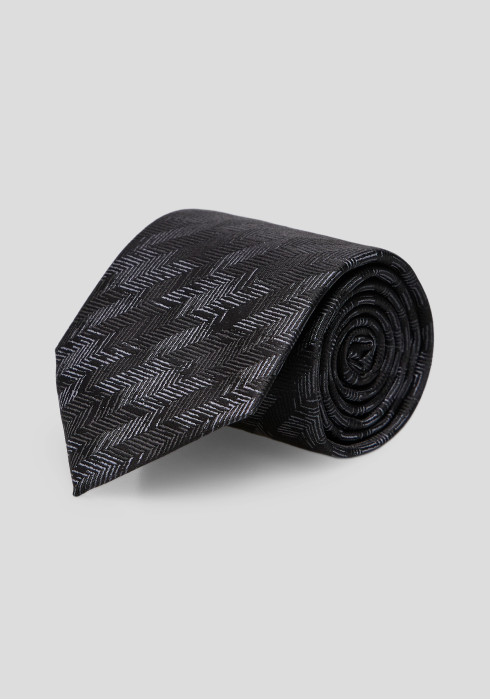
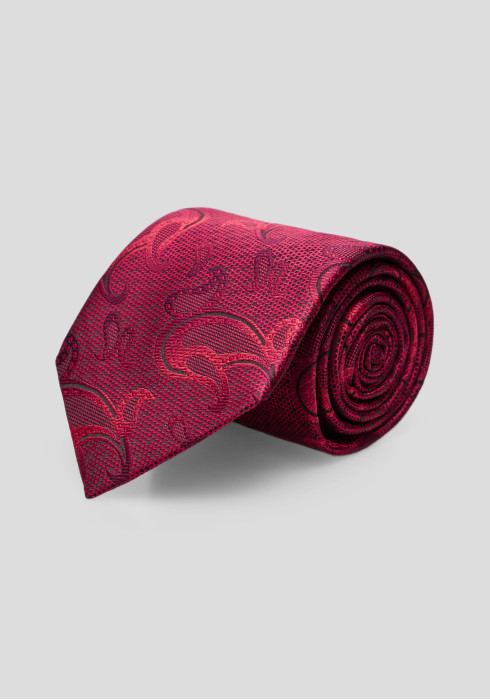
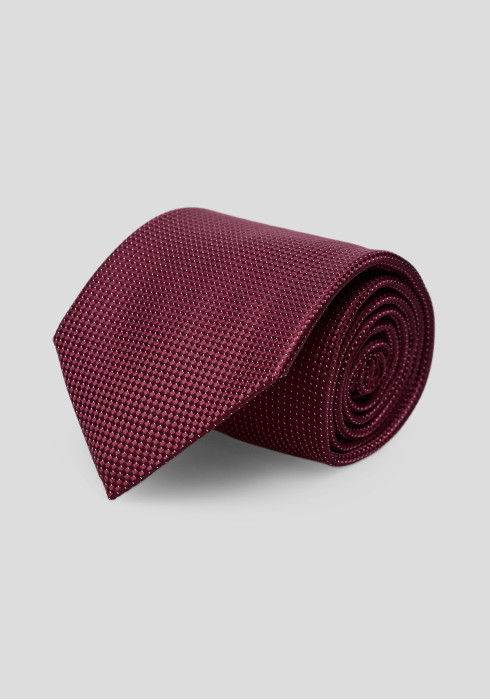
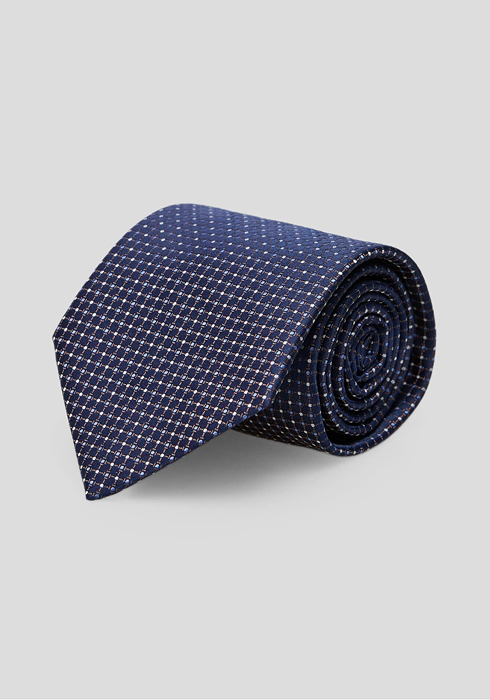
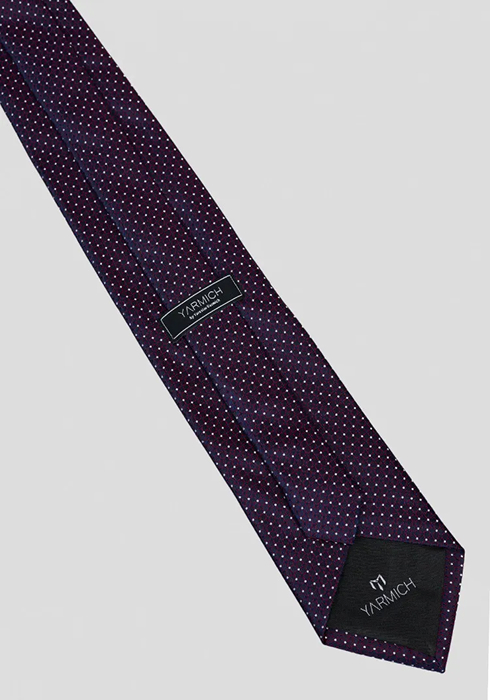
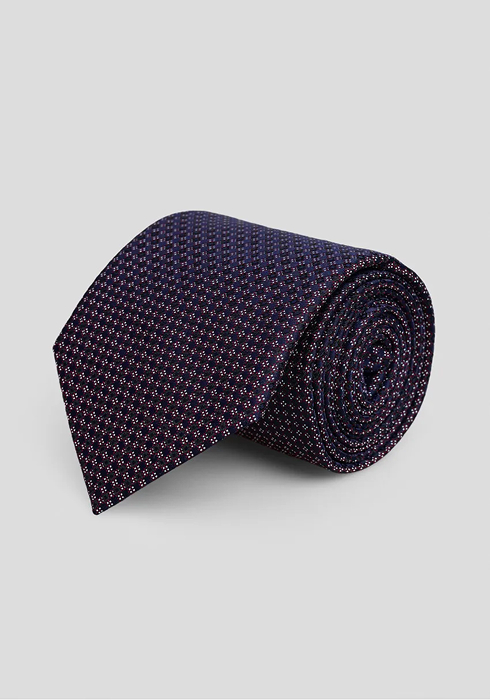
A patterned tie is one of the safest and most stylish choices. A small pattern (dots, micro-checks, or geometric shapes) makes the tie versatile and easy to pair with various shirts, jackets, and accessories. These ties look interesting but not flashy.
|
|
|
Tie and pocket square — how to match?
Whenever we talk about a tie, we can’t ignore the pocket square. These two go hand in hand. Without a pocket square, a suit looks unfinished — even empty. At the same time, a pocket square can be a standalone accent in a lighter outfit without a tie.
The most popular materials for pocket squares:
- Wool — a favorite choice of many brands: soft, thin, holds shape well, and doesn’t need constant adjusting.
- Silk — elegant and delicate, adds shine and lightness, perfect for festive or evening events.
- Linen — a summer choice, light and natural, looks especially good with linen or textured blazers.
Just like with ties, overly thick material is the enemy of elegance. Choose pocket squares made from thin fabrics — they fold better, allow for experimenting with shapes, and look tidier in the breast pocket.
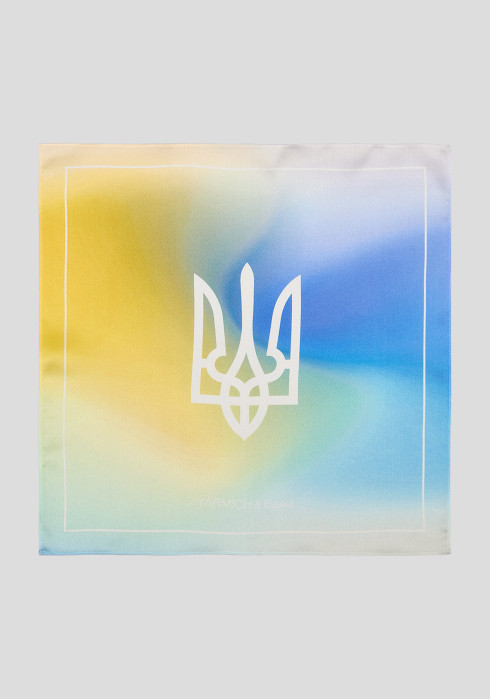
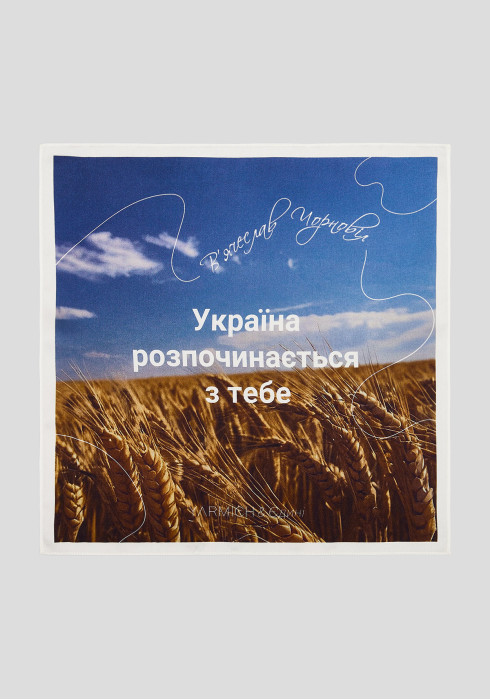
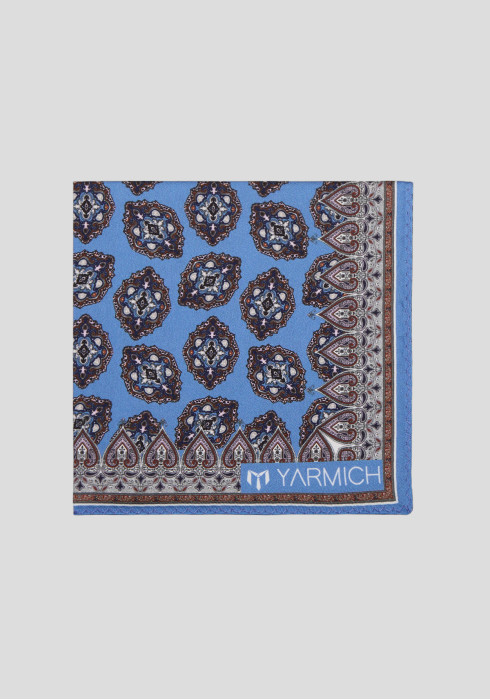
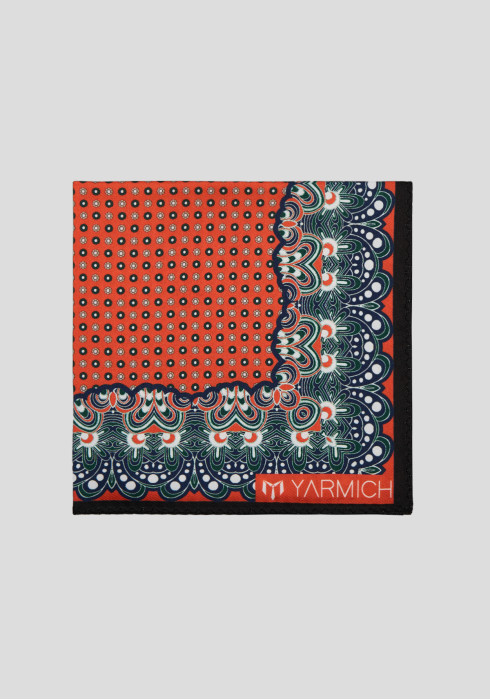
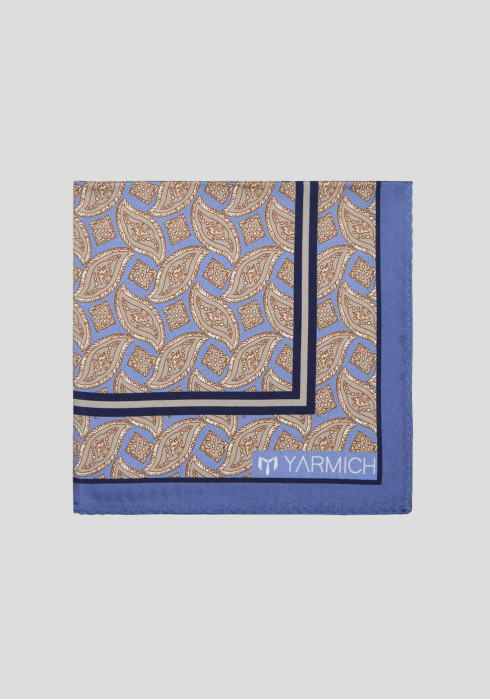
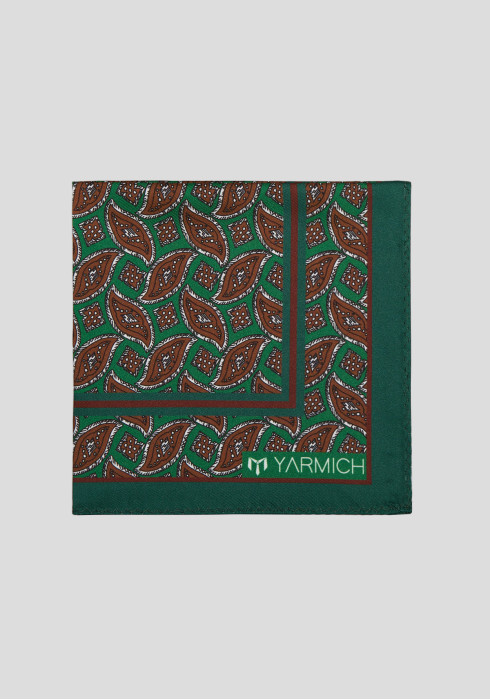
When it comes to prints, the pocket square is where a bright print is not only acceptable — it’s encouraged. Only a small part of it is visible, so a few colorful accents work really well. Ideally, one square should include several shades — making it more versatile and easier to pair with different blazers, shirts, and ties.
|
|
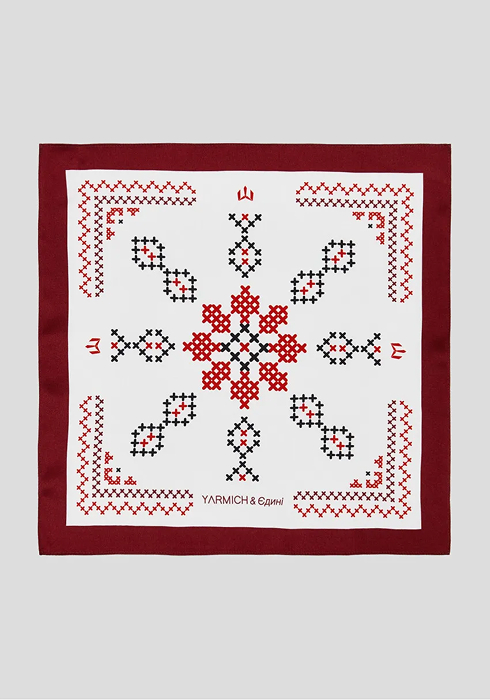
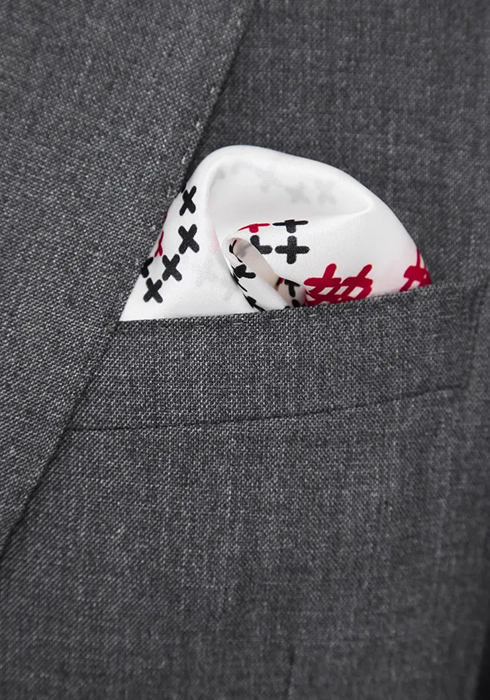
A pocket square can match the tie entirely in color, or simply pick up one of its shades. If the square is bright, with florals or a bold print — opt for a simple, solid-colored tie. If the tie has a bold pattern, then the square should be more subdued — so the accessories don’t compete with each other. When pairing, make sure not only the color palette matches but also the texture of the fabrics.
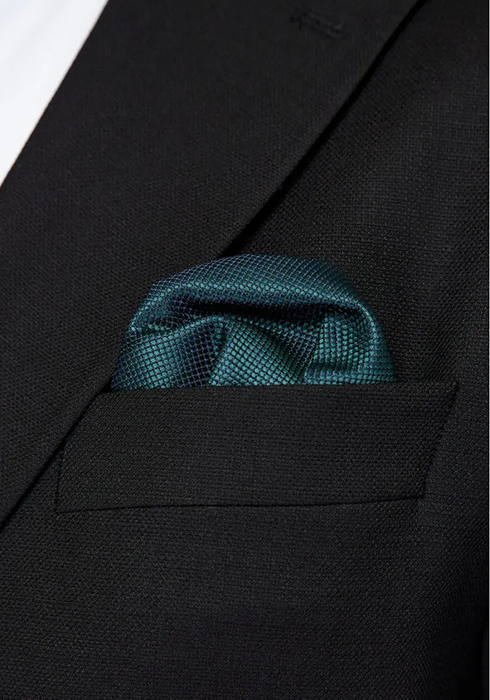
Despite fashion debates, there’s still a place for tie-and-square sets made from the same fabric. Some find this too basic or dull — but it eliminates the hassle of matching. A great choice for those who prefer ready-made solutions over experimenting.
|
|
Conclusion
When choosing a tie, pay attention to the quality of the fabric, optimal thickness, and appropriate color. Avoid shiny synthetics and overly thick knots. Don’t fear patterns — they expand your style options rather than limit them.
And don’t forget the pocket square, as it’s a key detail in the modern man’s wardrobe. The best ones are lightweight, well-shaped silk squares that combine multiple colors.
Knowing a few essential principles will help you effortlessly pick accessories that elevate your look — not ruin it. Most importantly, don’t blindly follow trends — learn to read the language of details.
Heroes of this material
previous
next