
 Fitting with a stylist


Your shopping cart is empty!

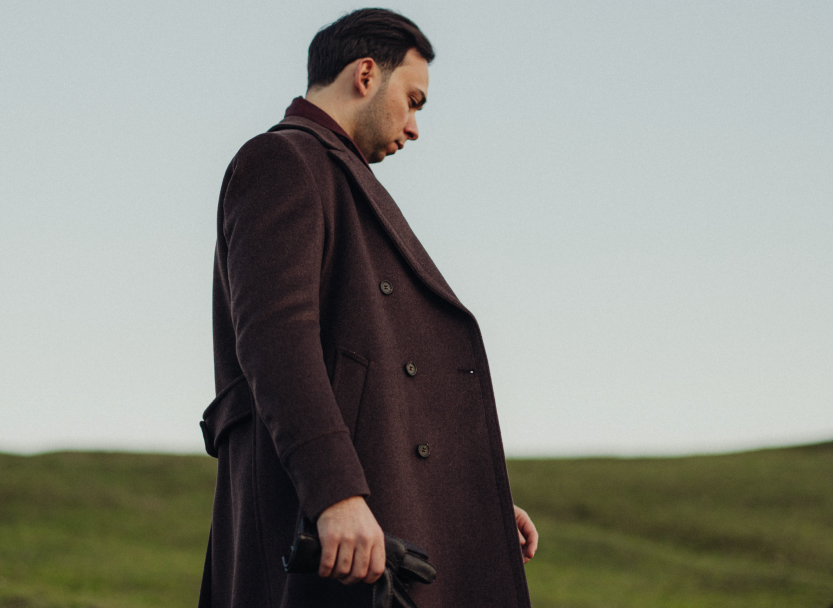
A coat is one of the most important elements of a man’s wardrobe—able to elevate anyone and take even a well-curated look to the next level. In this guide, we’ll explore style and trends, cut varieties, and the best materials to help you choose a men’s coat that will feel current in 2025 and serve you for many years.
Style, trends, and versatility
When choosing a coat, focus not on short-term trends or the color of the season, but on timeless classics. The goal is to find a piece that will still look relevant decades from now. The oversize phenomenon of recent years hasn’t spared coats either: modern models are often roomy, with a sense of “air” and a gentle drape in the shoulders and silhouette. But remember: while oversize is still on trend in 2025, in a few years such pieces may look shapeless and dated. If you’re planning an investment in a coat for the long term, it’s better to choose a restrained classic cut and color rather than an ultra-trendy detail that will fall out of fashion quickly.
|
|
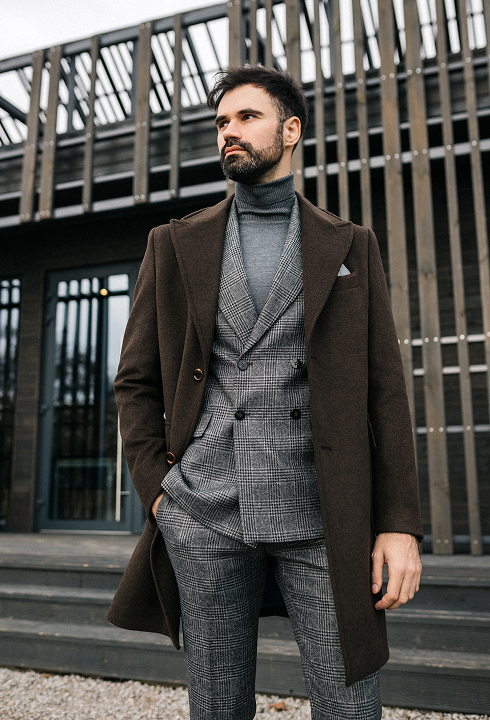
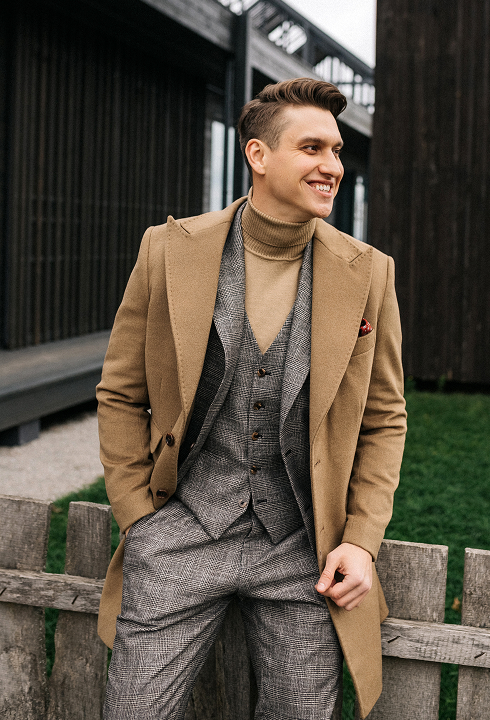
Formality and pairings. There’s a belief that a coat is a strictly classic wardrobe item to be worn only with business attire: dress trousers, shoes, and a suit. According to this view, even if you wear a sweater under the coat, it’s undesirable to combine it with jeans or chunky boots. In real life, however, a coat can be a multitasking and versatile piece. To broaden your options, it’s okay to bend the rules. For example, a raglan coat pairs beautifully with both rugged boots and classic shoes. The key is to keep the balance of style, which we’ll discuss below.
Coat length:
- Recommended length. A classic coat should be at least knee-length. This length looks more restrained and striking, visually adds gravitas, and makes a noticeable style statement.
- What to avoid. Don’t buy a very long coat (nearly floor-length) if you’re on the shorter side. Excessive length can “eat up” your height and disrupt proportions, making the figure look awkward.
- Mid-length coats (to mid-thigh). This compromise length often spoils proportions and the balance of the silhouette. It’s not recommended for classic models, as such coats look less expressive than longer options.
Cuts and coat models
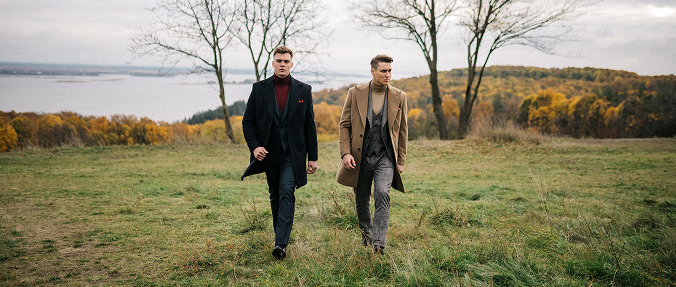
By construction, coats are divided into single-breasted and double-breasted—depending on how the fronts and buttons are arranged. There are also several historical styles, but in everyday life they’re usually referred to simply as “classic coats.” Below are some of the most popular contemporary models of men’s coats:
- Raglan coat: Distinguished by a soft, rounded shoulder construction without a shoulder seam. It’s a fairly roomy coat, close to oversize. A big plus is that you can throw it on even over a suit: if your jacket has a firm, structured shoulder, it won’t show under the raglan’s softer sleeve. Raglan is less formal than other models and is ideal for smart casual. Moreover, this cut is an excellent choice for a man’s first coat.
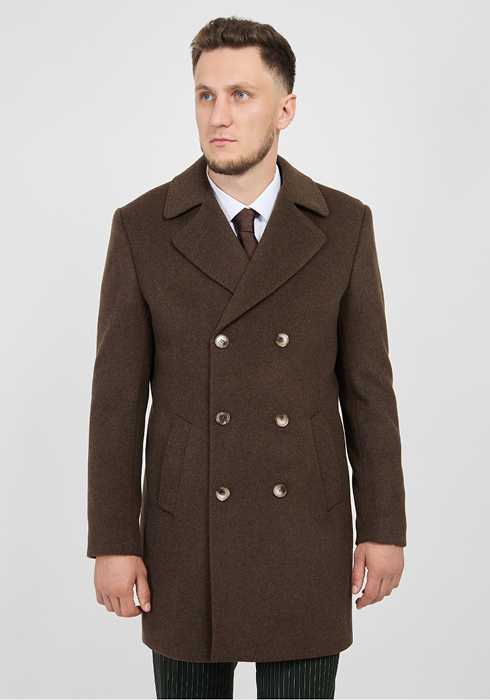
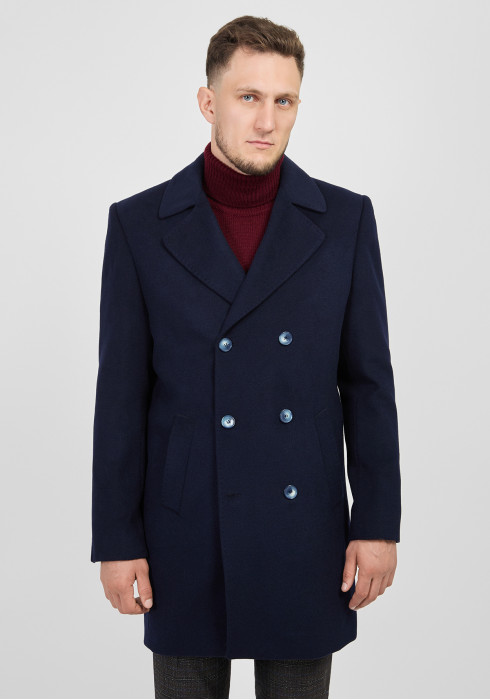
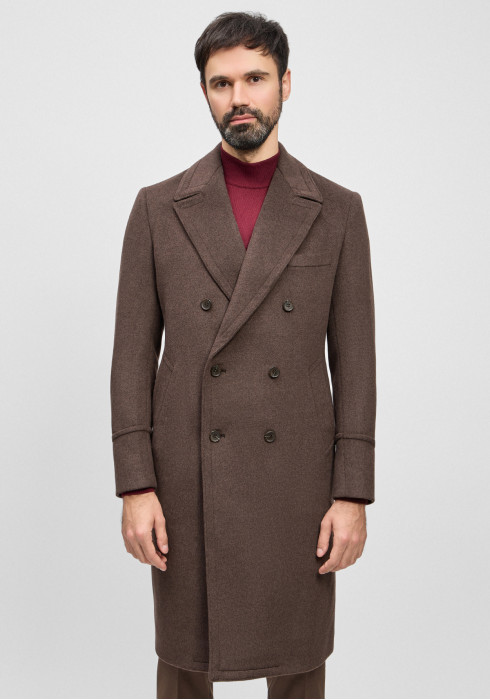
- Double-breasted coat: Features two rows of buttons and a wide overlap when one front lays over the other. A double-breasted coat doesn’t have to be worn buttoned—an unbuttoned double-breasted silhouette looks perfectly modern, as Italians often do. Note that a long double-breasted coat is not the best choice for shorter or very slender men, as the substantial elongated cut can visually “swallow” the figure and distort its proportions.
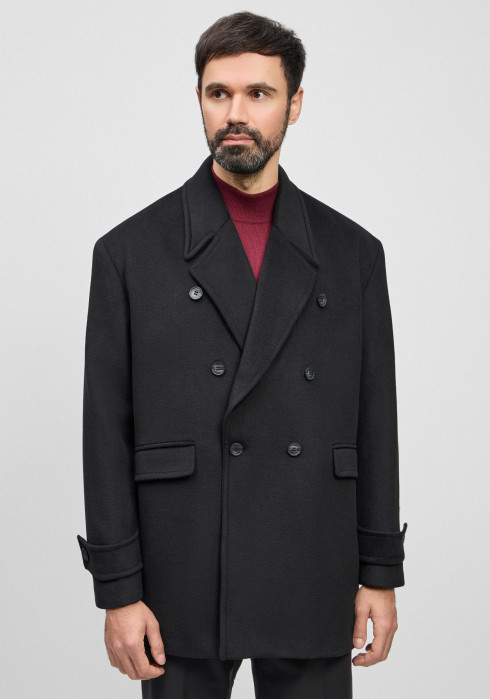
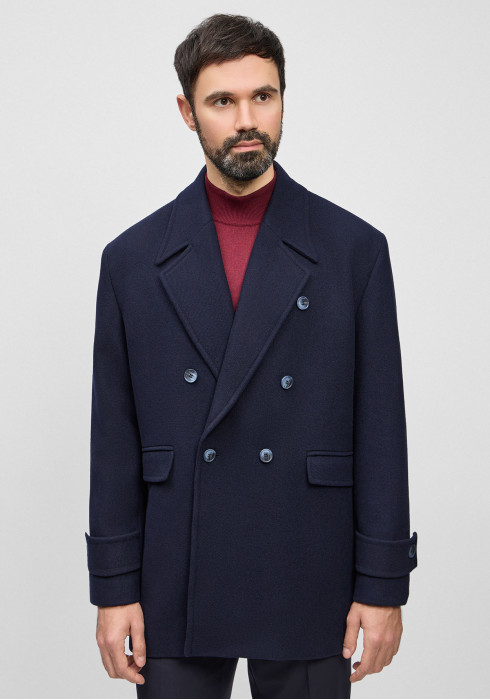
- Peacoat: A short double-breasted coat that barely covers the hips. It originates from naval uniforms—the classic peacoat was worn by sailors. It’s an exceptionally versatile model: it looks equally good with chunky combat boots, casual sneakers, and classic leather shoes. Thanks to its short length, it particularly suits shorter men: it doesn’t “steal” height; on the contrary, it helps maintain proportions.
- Duffle coat: A less formal, utilitarian coat with a distinctive military heritage. Historically, duffle coats were cut very wide with voluminous sleeves (a true oversize of the last century), as they were designed for military needs. Recognizable features include a hood (the duffle is the only classic coat with a hood) and original toggles—elongated pegs, the so-called “walrus tusks,” fastened through looped closures. A duffle coat is usually very warm and practical. It appeals to fans of military aesthetics as well as creative types; it’s often made in bright colors: deep blue, red, yellow. Traditional colors are navy or gray.
Materials and details
The best men’s coats are made from natural wool with added synthetic fibers. If you want a coat that feels exceptionally soft and comfortable, choose options with cashmere in the fabric. Even 10–20% cashmere softens the wool’s hand and gives the coat a luxurious, silky feel.
Tips for choosing an affordable coat:
- Avoid excessive fabric shine. Look closely at the surface: if it has an unnatural glassy sheen, there’s a risk of too much synthetics in the blend or low-quality fabric. Quality wool looks nobly matte or with a gentle natural luster—never like glossy polyester.
- Assess the hand feel. Touch the fabric—an affordable coat should still feel pleasant. Harshness, prickliness, or a “plastic” smoothness indicate lower quality. Good wool, even with blends, feels alive, slightly textured, and warm in the hands.
- Check shape retention. Try a quick test: squeeze the edge of a sleeve or front panel in your fist, then release. A quality material will spring back almost immediately without creases. If the fabric holds folds for a long time, the coat will likely wrinkle and look untidy in wear.
Construction details:
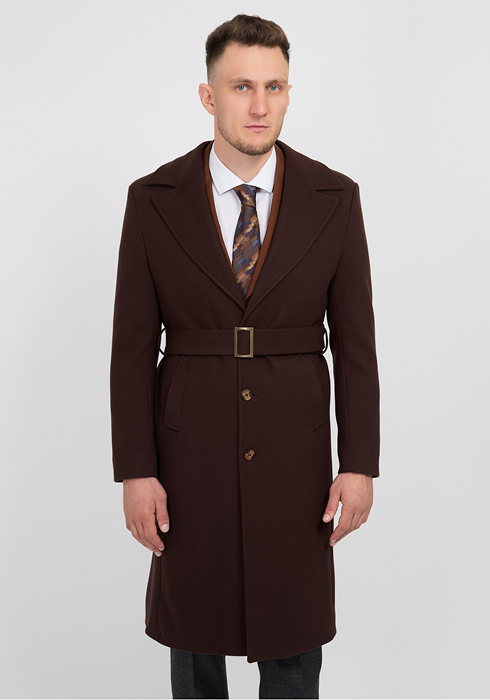
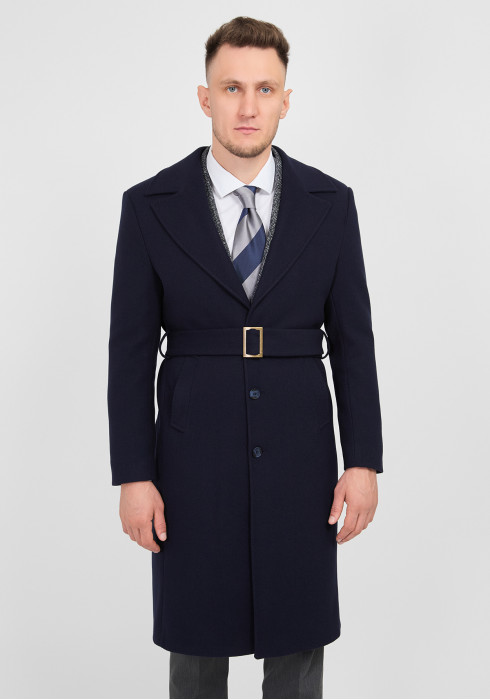
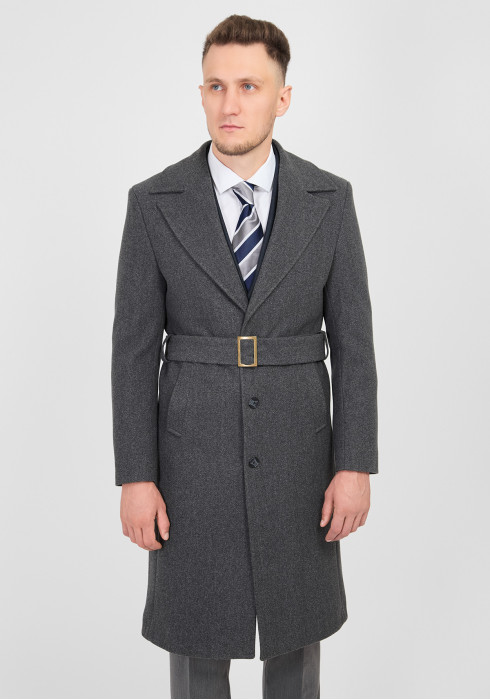
- Belt or half-belt. Belted coats have been trending lately—the belt adds relaxed charm to the look. The belt may be full (wrapping the waist and tying at the front) or a short half-belt at the back. Even a small decorative back tab makes the rear view more interesting than a completely plain surface.
- Wide lapels. The classic rule for coats: lapels should be wider than on a suit jacket and never narrow. A wide lapel lends gravitas and balanced proportions. Aim for at least 9 cm at the lapel’s widest point, or simply ensure each lapel covers at least half the distance from the base of the neck to the edge of the shoulder. Narrow collars suit only lightweight raincoats; on a winter coat they look out of place.
Color and accessories
Colors. If this is your first coat, choose a universal color: gray, black, or navy. These core shades integrate easily into a wardrobe and pair well with other pieces. If you feel bold and want more variety, consider beige, dark brown, or deep green or burgundy. For less formal models—raglan, duffle—bolder choices are welcome. Bright colors can become the outfit’s highlight (e.g., a yellow or red duffle, a richly blue coat, etc.). Also consider printed coats: the most popular option is a check. A checked coat looks more interesting and versatile than stripes, and pairs easily with both jeans and classic pieces.
|
|
|

Accessories. Autumn and winter are the best time to complement a coat look with beautiful scarves, gloves, and headwear. Balance is key: if the coat is in a restrained, classic color, you can add accent accessories; conversely, with a bright or patterned coat, opt for solid, minimalist additions. For example:
- Basic solid coat + a striking scarf or gloves in an interesting color or texture to enliven the look.
- Bright or checked coat + neutral accessories (a dark solid scarf, classic leather gloves) to avoid visual overload and keep the elegance.
Common mistakes when choosing a coat
- Trying to find a “universal” coat. Don’t look for a single coat that will perfectly match absolutely everything. This approach almost always leads to compromises, and the piece ends up looking lackluster with both a classic suit and jeans. It’s better to own two coats for different purposes: one more formal—for business wear—and another more relaxed—for smart casual or weekends. Your style will only benefit when each item is “in its place.”
- Choosing overly insulated models. Down-filled or multi-layered “winter coats” with thick linings look bulky and often cheapen the outfit. If you need clothing specifically for severe frost, buy a quality down parka. In the city, however, you can spend most of winter in a classic wool coat paired with a sweater and scarf. Leave overly voluminous utilitarian jackets and coats for ski slopes or countryside walks, and choose more elegant silhouettes for everyday urban style.
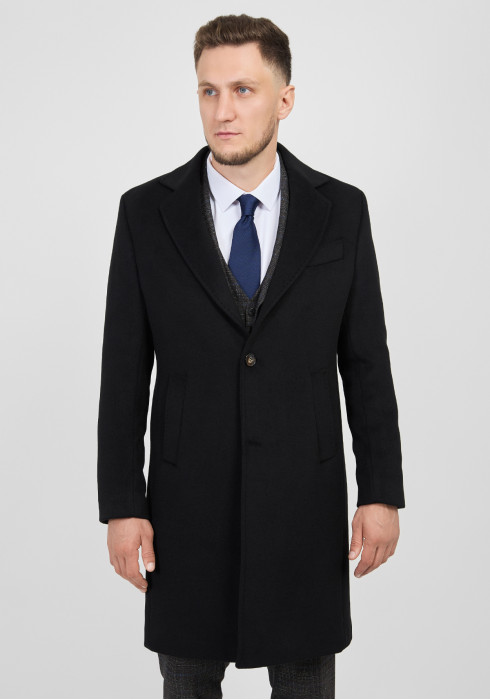
To make choosing a coat easier, we’ve gathered all models in one place—from classic wool and sleek single-breasted options to elegant double-breasted styles and blended fabrics. Head to the coat catalog or visit YARMICH boutiques to pick the one that will become the foundation of your autumn-winter wardrobe.
Heroes of this material
previous
next
Special -31%
44
46
48
50
52
54
56
58
60
62
64
66
68
Special -31%
44
46
48
50
52
54
56
58
60
62
64
66
68
44
46
48
50
52
54
56
58
60
62
64
66
68
44
46
48
50
52
54
56
58
60
62
64
66
68
Special -34%
44
46
48
50
52
54
56
58
60
62
64
66
68
Special -34%
44
46
48
50
52
54
56
58
60
62
64
66
68
Special -32%
44
46
48
50
52
54
56
58
60
62
64
66
68
44
46
48
50
52
54
56
58
60
62
64
66
68
Special -32%
44
46
48
50
52
54
56
58
60
62
64
66
68
