
 Fitting with a stylist


Your shopping cart is empty!

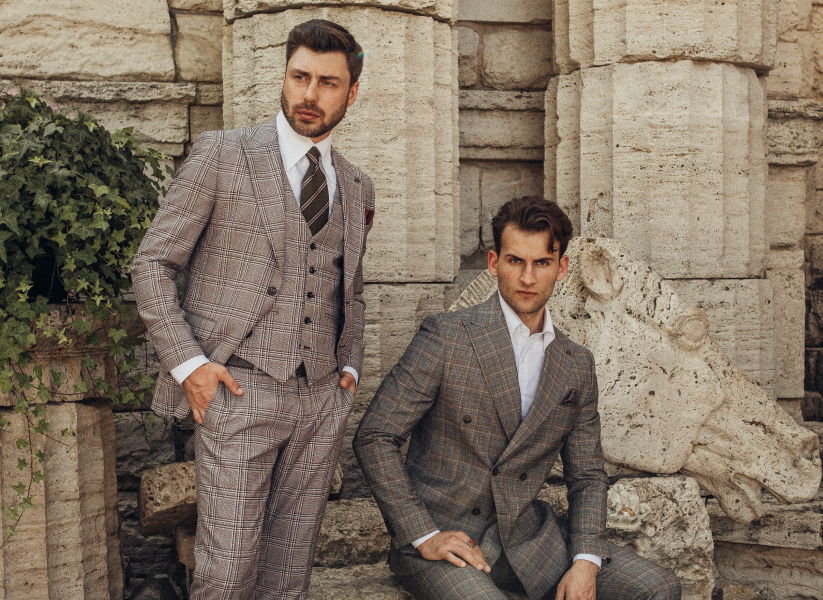
Jacket – a staple of a man’s wardrobe that adds elegance to the look. Yet not all jackets are the same: there are different types, and each has its own features and purpose.
In this article, we explain the key differences between a classic jacket, a casual jacket, a blazer, a tuxedo, and an evening jacket. You’ll learn how to choose one that fits perfectly and highlights your style, as well as when each type is appropriate.
Classic jacket
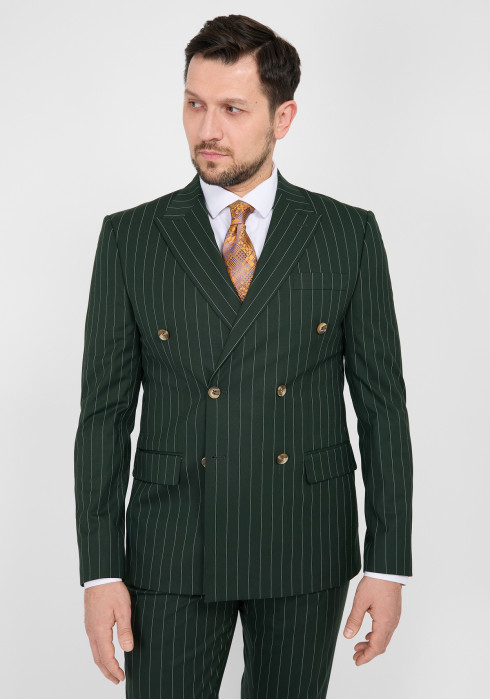
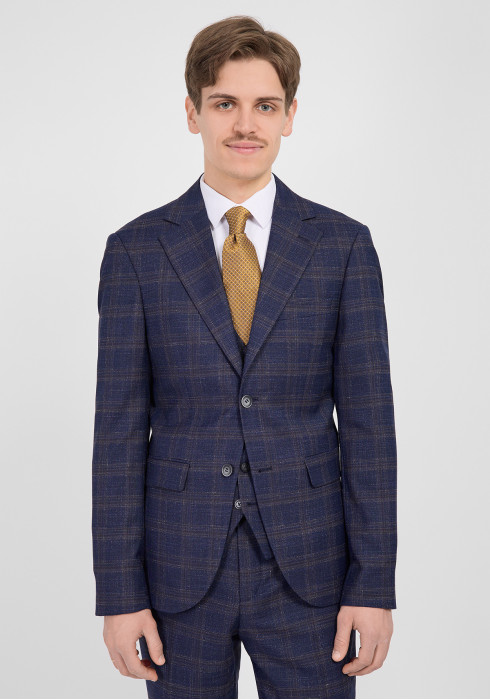
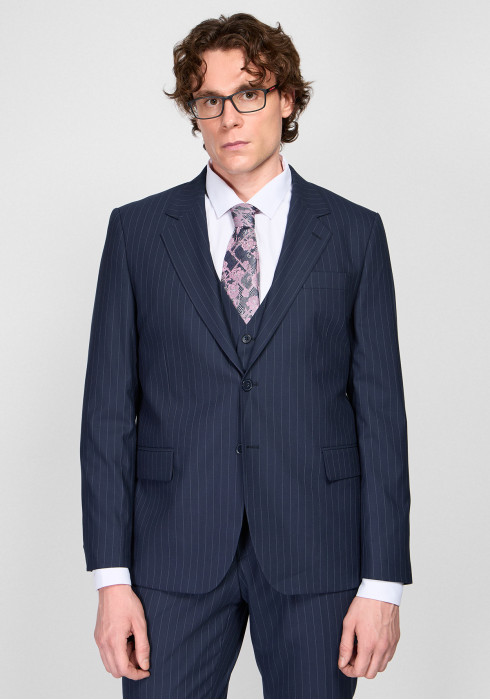
This is what most of us imagine when we hear the word “suit.” It is part of a business suit and always comes with matching trousers made from the same fabric. A suit can be a two-piece (jacket + trousers) or a three-piece (jacket + waistcoat + trousers). If you’re just getting into classic style, don’t mix a jacket from one suit with a waistcoat from another or a different color — such experiments require experience.
|
|

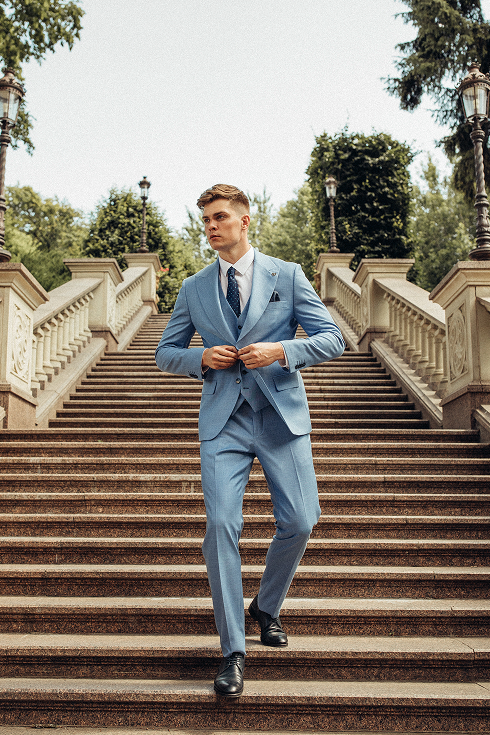
The color of a classic jacket is usually restrained and solid. The most essential shades are navy and gray — they pair easily with shirts and accessories.
|
|
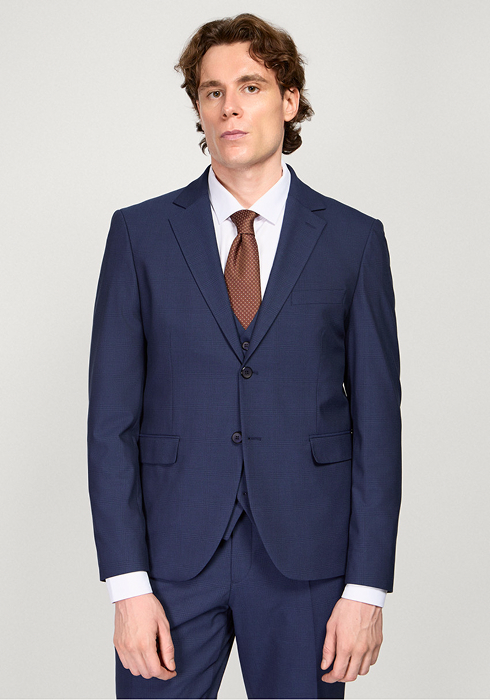

The classic jacket has recognizable tailoring details. The shoulders typically have shoulder pads; they are stiffer, define the shoulder line clearly, and add a masculine shape. Pockets on classic models are jetted or with flaps, which underscores the formal style.

Important! A suit jacket is not meant to be worn separately from its matching trousers. This is especially true for smooth worsted wool: worn with jeans or other casual trousers, such a jacket will look out of place. It’s also best not to combine jackets and trousers from different suits — the shades or fabric textures will differ, and the set will look less appealing.
Casual jacket
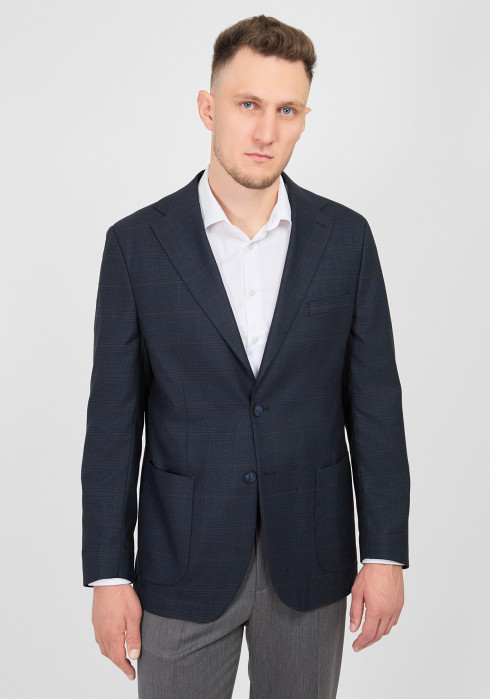
Also known as a sports jacket or casual jacket, this is the less formal “relative” of the classic jacket. Compared to the suit jacket, it has a looser fit and more practicality, which makes it great for everyday wear.
The hallmark of a casual jacket is a textured fabric. Unlike a suit jacket, the material here always has a distinct texture or pattern. Such jackets are usually seasonal: for the cold months choose denser fabrics like tweed, and for the warm season — linen, cotton, or blended fabrics.
|
|


You can also recognize a casual jacket by its characteristic details. Instead of strict jetted pockets, it usually features patch pockets sewn on top, which give the jacket a more relaxed look.

The shoulders of these jackets are soft, with minimal structure: shoulder pads are either very thin or absent. This makes the silhouette look more natural and the jacket more comfortable to wear, as nothing restricts movement. All these nuances make the casual jacket less formal and add ease to the outfit.
Blazer
This is a type of casual jacket with its own traditional traits. The classic example of a blazer is a navy jacket with contrasting buttons, most often polished metal in a golden tone. This garment has its roots in naval clubs and the British Navy, which popularized dark-blue jackets with shiny buttons.
A blazer is cut with soft shoulders, without a rigid internal structure, which makes it comfortable to wear. It looks a bit more structured than a tweed casual jacket, yet still less formal than a suit jacket.
|
|


One of the main rules: a blazer is worn only with odd trousers. This means you choose trousers of a different fabric and color, not the same as the jacket. Don’t try to “turn” a blazer into a suit by adding dark-blue trousers from another set: even a slight difference in shade or texture will look as if you mixed them up by accident.
Instead, a blazer pairs perfectly with classic trousers in gray, beige, or light-brown tones. In summer, wear it with white trousers for a fresh, nautical feel; in the cooler season — with dark-brown or gray wool trousers. These combinations have long been considered classics.
In terms of formality, the blazer sits between the suit jacket and the casual jacket. You can even wear it to a relatively formal event — say, a business lunch or a presentation — with a shirt and tie. The look will be less strict than a full suit, yet still suitably elegant. Thanks to this versatility, the blazer has become a favorite for many men: it helps when a suit is too formal, but just a sweater is too casual.
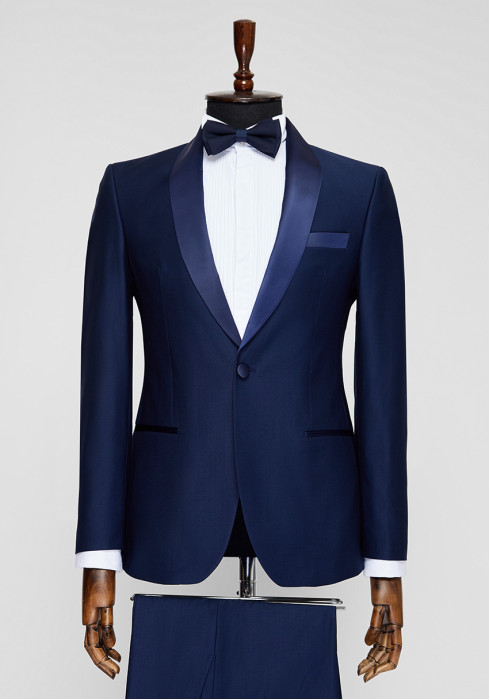
Tuxedo
This is a special type of suit designed for formal evening events. A classic tuxedo is almost always black — by an unwritten rule, 99.9% of tuxedos are black.
| Distinctive features of a tuxedo are found in the details. The jacket has lapels in satin or silk that shine and contrast in texture with the main fabric, which instantly sets the tuxedo apart from other jackets. The buttons are often covered in silk as well. The trousers that come with it are always black and have a satin side stripe — a narrow braid along the side seam. |
One important nuance: a tuxedo is worn with a bow tie only. A necktie is inappropriate here, as the Black Tie dress code historically calls for a black bow tie.
|
|
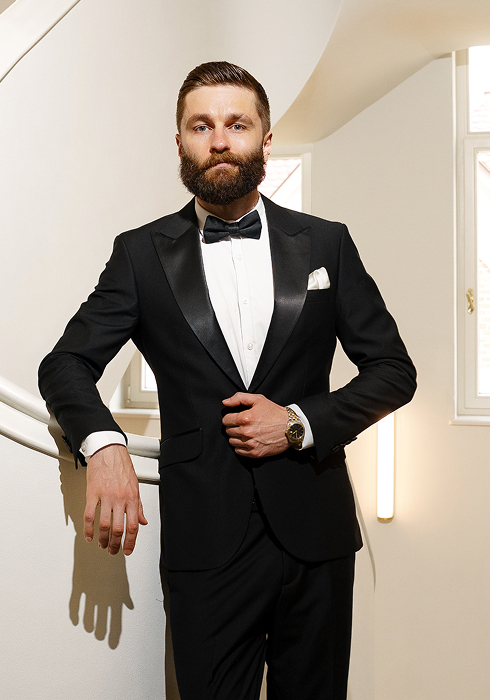

Overall, the tuxedo is the most formal garment in a man’s wardrobe; only a tailcoat is more formal, and it is worn even less often.
Of course, not everyone needs a tuxedo. If you never attend events with a strict dress code, this jacket may not be necessary. But for those who regularly go to evening receptions, ceremonies, or social occasions, a quality tuxedo is an indispensable investment.
Evening jacket
This is an elegant option for festive menswear that lets you diversify the classic tuxedo look. Evening jackets are most often made from striking materials like velvet or velour, which immediately attract attention with rich texture. They also differ from a tuxedo in color: while a tuxedo is predominantly black, a velvet evening jacket can be a brighter shade.
Popular deep, saturated colors include burgundy, dark green, sapphire blue, plum purple, gray, or beige. Some even choose bold options — like ochre or vivid orange velvet — provided it suits the event’s dress code.
|
|
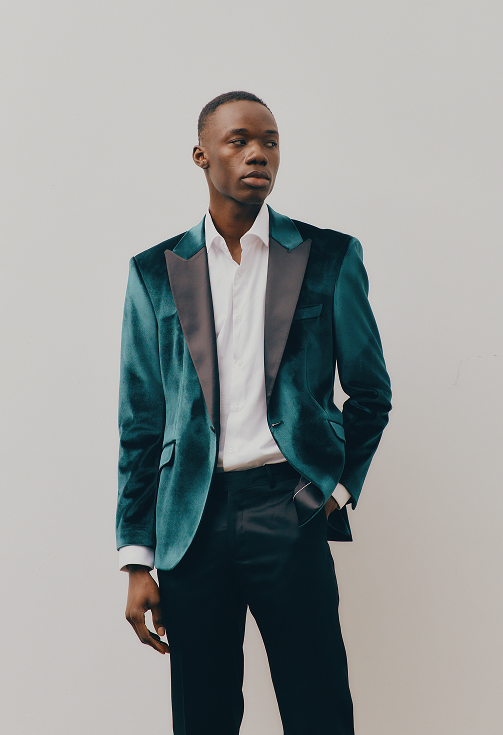
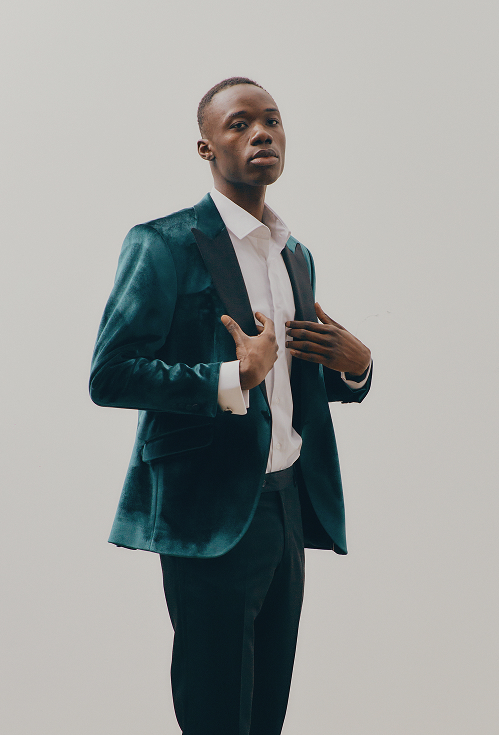
An evening jacket should be worn similarly to a tuxedo. It is paired with black tuxedo trousers, a crisp white shirt, and a black bow tie. This keeps the overall formal aesthetic: the lower half and accessories remain classic black, while the jacket adds individuality.
An evening jacket is a great way to stand out among the guests and show refined taste. At events where many men wear identical black tuxedos, a deep-toned velvet jacket will attract positive attention.
General recommendations and tips
Seasonality and appropriateness
Each type of jacket has its place and time. For example, a light linen jacket is appropriate in summer at an informal event, but will be out of place in winter or at a business meeting.
Likewise, a classic dark gray wool suit works for the office or a conference but may look too formal at a beach party. Observing seasonality and the formality level of the occasion will help you always look harmonious.
Training your eye and developing taste
Understanding the differences between jacket types comes with experience. To build your taste, browse fashion brand lookbooks and style blogs; over time you’ll intuitively feel the difference between a classic jacket and a blazer, learn to distinguish seasonal from all-season fabrics, and understand how best to combine each jacket with the rest of your outfit.
Ideal fit
No matter how expensive a jacket is, it won’t look good if it fits poorly. So pay attention to the fit. When trying on a jacket, stand straight with your arms at your sides and look in the mirror. The jacket should follow your body without creating excess folds.
What to check when choosing a jacket:
- Shoulders. Shoulder seams should end exactly where your shoulder ends. There should be no bumps or drooping; otherwise, the jacket is either too big or too tight in the shoulders.
- Chest and waist. Fasten the jacket on one button (for a single-breasted style); the fabric at the chest should not pull apart. If horizontal creases appear under the lapels, the jacket is too tight. At the same time, an overly loose jacket is also bad: excess fabric creates folds and a baggy look. The ideal balance is when you can move your arms freely, while the jacket remains slightly tapered and flatters your shape.
- Length. A classic jacket should cover the seat. Too short makes the torso look shorter and wider, while too long distorts the silhouette.
- Sleeves. They should reach the wrist bone, allowing the shirt cuffs to show about 1–1.5 cm.
Remember, there is no single jacket for every occasion. That’s why a modern man’s wardrobe may include several jackets of different styles. Different cuts and materials serve different purposes: one jacket is better for formal events, another for everyday wear, and a third for special evening outings.
Understanding the differences and following these tips will help you put together a sharp look every time. In our YARMICH boutiques, stylists will help with the choice, and, if needed, tailors will adjust the fit to your measurements.
Heroes of this material
previous
next
44
46
48
50
52
54
56
58
60
62
64
66
68
44
46
48
50
52
54
56
58
60
62
64
66
68
44
46
48
50
52
54
56
58
60
62
64
66
68
Special -41%
44
46
48
50
52
54
56
58
60
62
64
66
68
44
46
48
50
52
54
56
58
60
62
64
66
68
44
46
48
50
52
54
56
58
60
62
64
66
68
Special -42%

44
46
48
50
52
54
56
58
60
62
64
66
68
44
46
48
50
52
54
56
58
60
62
64
66
68
44
46
48
50
52
54
56
58
60
62
64
66
68
44
46
48
50
52
54
56
58
60
62
64
66
68
Special -33%
44
46
48
50
52
54
56
58
60
62
64
66
68
44
46
48
50
52
54
56
58
60
62
64
66
68

44
46
48
50
52
54
56
58
60
62
64
66
68

44
46
48
50
52
54
56
58
60
62
64
66
68
