


Your shopping cart is empty!


Table of contents
Between Elegance and Freedom
Let’s start with the basics: what is smart casual men’s style?
It’s one of the most versatile trends in modern men’s fashion. It skillfully blends classic and casual wardrobe elements, allowing you to look elegant without being overly formal.
Smart casual is the perfect choice for business meetings without a strict dress code, dates, or everyday situations where you want to look stylish and confident without the rigidity of a classic suit.
How to make smart casual part of your daily style?
To achieve this, it’s worth having a basic set of items that mix and match easily. The foundation of such a capsule wardrobe includes:
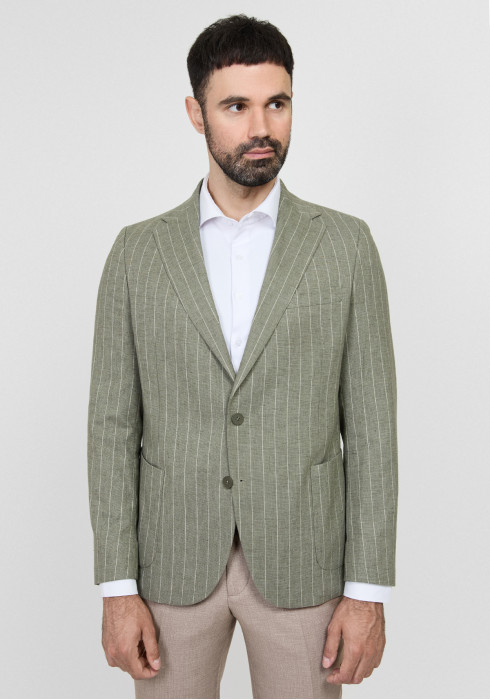
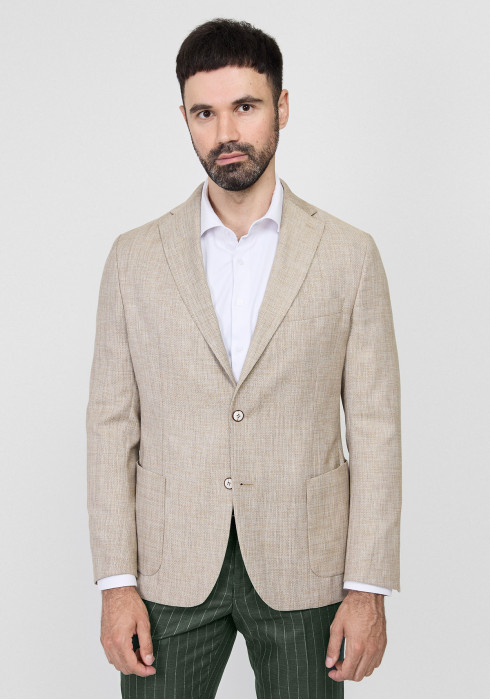
- Blazer — best to choose a single-breasted, slightly tailored, but not tight fit. In smart casual, color experiments are welcome, so focus on your palette and overall versatility.
- Shirt — minimalistic, without extra details, made from natural fabrics like cotton or linen. It pairs well with both blazers and chinos or jeans.
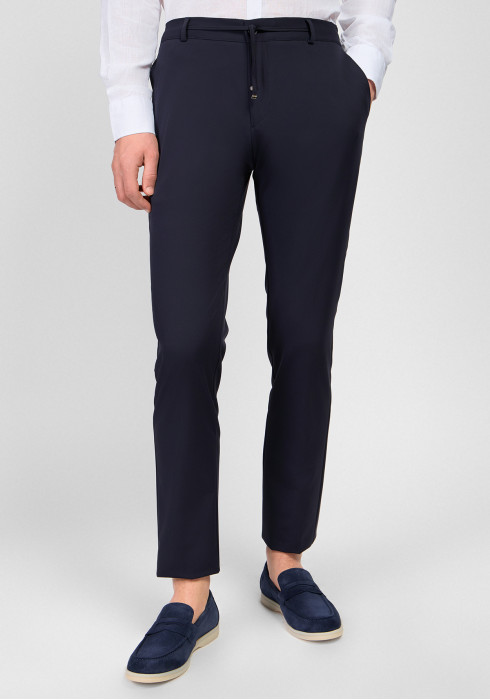
- Chinos — iconic flat-front pants that are comfortable and stylish. The most popular colors include navy, beige, khaki, and brown.
- Jeans — straight or slightly tapered, without fading or decorative elements. The most universal option is dark blue.
- Shoes — leather or suede loafers, or minimalist leather sneakers without logos.
- T-shirt or polo — in neutral colors, suitable under a blazer. Polo shirts offer a more polished alternative.
- Trench coat — a stylish choice for cooler weather, easily pairs with shirts, tees, trousers, or jeans.
- Accessories — a belt matching your shoes, a minimalist watch, bracelet, and a quality bag. All elements should complement the outfit harmoniously.
With such a base, you’ll easily create daily outfits that look thoughtful and stylish.
|
|
|
|


The Blazer — a Wardrobe Essential
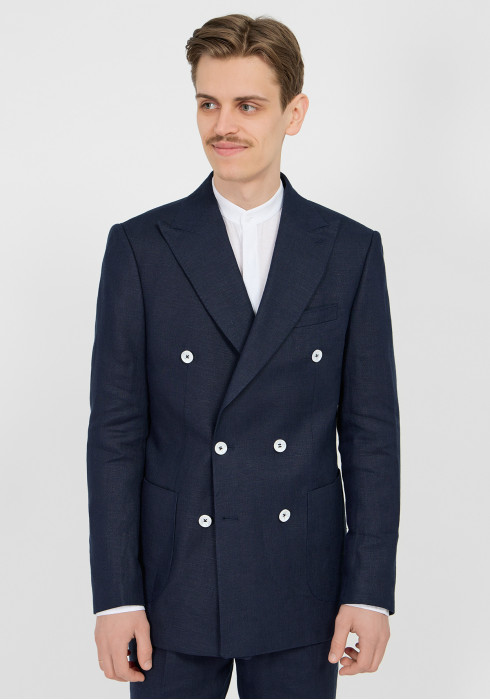
For a smart casual look, choose an everyday blazer — it’s more versatile than a classic one and works well in mixed outfits. It pairs great with a shirt and chinos, or with a T-shirt and jeans for a more relaxed look. In warm seasons, look for linen models or blends with cotton or viscose.
|
|


Chinos and a Shirt — the Perfect Duo
Chinos have a simple, slightly tapered cut, offer freedom of movement, and pair well with various tops. For example, solid-colored chinos look great with striped shirts. The secret is in the details: match brown-striped shirts with brown chinos, and navy-striped shirts with navy trousers. Unlike classic trousers, chinos don’t have creases, so they’re easily styled with a T-shirt or polo too.
|
|


Linen — Cool and Stylish for Summer Days
This natural fabric not only breathes well but also ensures comfort during hot weather. Its texture adds a sense of lightness and ease. Linen pieces pair wonderfully with smart casual basics: light chinos, shirts, polos, or lightweight blazers. They bring a sense of summer freedom without losing elegance.
|
|


The Three-Color Rule
To create a harmonious and stylish outfit, follow this simple principle: no more than three colors in one look.
How does it work?
- Two neutrals — these are basic colors: white, black, gray, beige, navy blue.
- One accent — deeper or brighter: burgundy, green, terracotta, olive, and so on.
This combination lets you look stylish without visual overload.
Not sure which colors to choose? Use a color wheel. It’s a simple tool to help you match hues:
- Analogous — located next to each other on the wheel (e.g., blue + turquoise).
- Contrasting — opposite on the wheel (e.g., navy blue + mustard).
|
|


Important: even the same color can look different depending on the fabric texture. Matte linen, glossy leather, or knitted cotton — all create a different mood, even if the color stays the same.
Don’t forget accessories — shoes, belts, bags, and watches should blend into the overall palette. They’re part of the color balance too.
Pro tip: if you want more depth without “color noise,” combine shades of the same color (e.g., navy + denim + light blue).
Smart Casual Style — Practical Tips
- Invest in quality over quantity — better a few basics made from quality fabrics than a closet full of synthetics.
- Pay attention to fit — clothes should flatter your body, but not be overly tight or baggy.
- Balance your colors — no more than three in one outfit: two neutral, one accent.
- Don’t overdo accessories — every detail should enhance the outfit, not compete with it.
- Don’t be afraid to experiment — combine classic and casual, and create your own combinations.
Heroes of this material
previous
next
Special -33%

44
46
48
50
52
54
56
58
60
62
64
66
68
Special -36%
44
46
48
50
52
54
56
58
60
62
64
66
68
Special -30%
44
46
48
50
52
54
56
58
60
62
64
66
68

44
46
48
50
52
54
56
58
60
62
64
66
68
Special -42%

44
46
48
50
52
54
56
58
60
62
64
66
68
44
46
48
50
52
54
56
58
60
62
64
66
68

XS
S
M
L
XL
2XL
3XL
4XL
5XL

44
46
48
50
52
54
56
58
60
62
64
66
68
Special -42%
44
46
48
50
52
54
56
58
60
62
64
66
68
