Tips for choosing a tie and bow tie for different occasions
Table of contents
Tie or bow tie? From a business meeting to a formal reception - each format requires its own approach to choosing an accessory.
In one case, restraint and professionalism are essential; in another, you can allow a bright accent or a thematic print. Let’s review the key recommendations on how to choose a tie or bow tie for different situations and events.
Business events and office
For business meetings and the office environment, choose a tie that underscores professionalism and confidence while not distracting from the substance of the meeting.
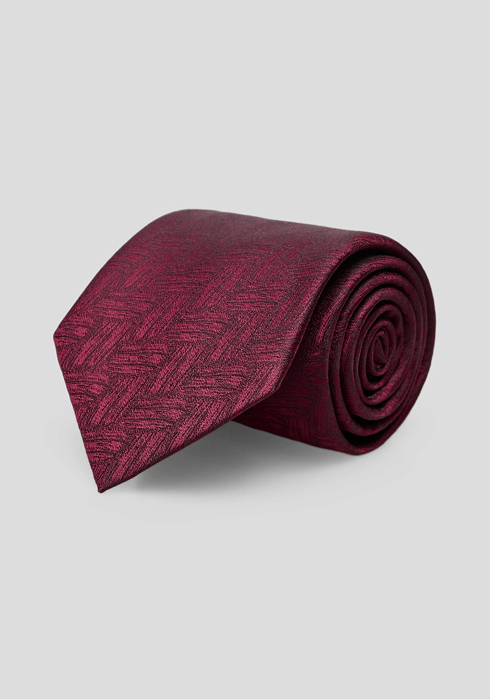
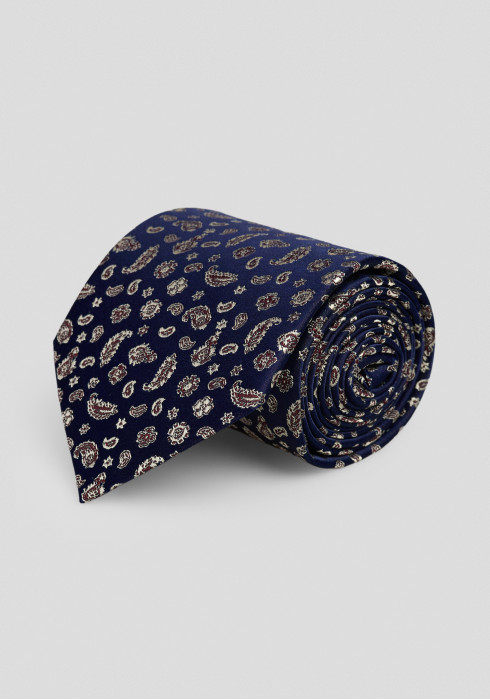
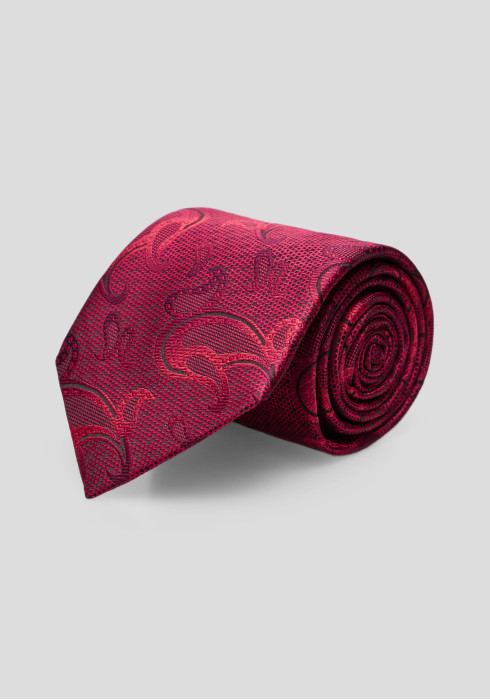
Colors and patterns: Opt for conservative shades of tie: navy, gray, burgundy paired with restrained patterns. Thin stripes, a subtle small dot, or fine geometry look best.
Material: Give preference to high-quality polyester, as it holds the knot well and looks neat. A classic polyester tie is a universal choice for an office dress code.
Width: A classic tie width of about 7–8 cm is considered optimal, providing a traditionally balanced look. Very narrow or, conversely, overly wide models are better left for other, less formal occasions.
Pairing with clothing: Ensure the tie harmonizes with your suit and shirt rather than clashing with them. For example, if your suit and shirt are in calm tones, the tie may be slightly brighter within business etiquette: this will add expressiveness without disrupting the integrity of the look.
Weddings and festive events
This is a special, formal occasion that allows for more creativity and individual style than a business setting. The right tie or bow tie can become a key accessory of the celebratory look, seamlessly tying the outfit together and even reflecting the event’s theme. Within a wedding dress code, both timeless classics and subtle accents of color or texture are appropriate.
Colors and patterns
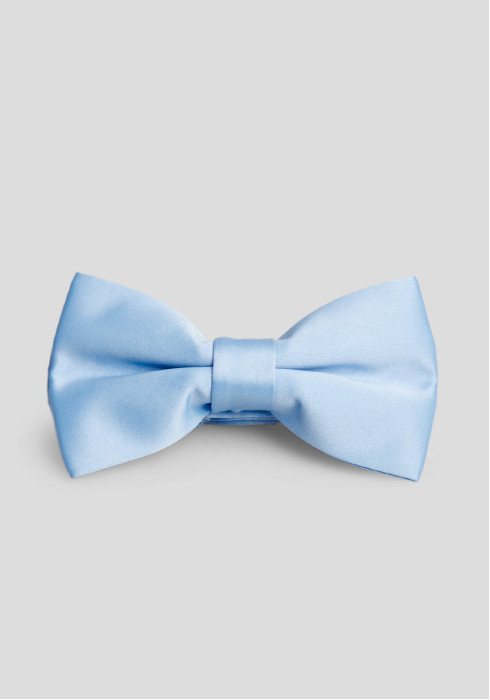
Pastel shades: Light, pastel-colored ties work beautifully for weddings. Shades like lavender, mint green, or soft pink add cheerfulness and romance to the look. A light-colored accessory is especially suitable for daytime ceremonies or spring–summer celebrations.
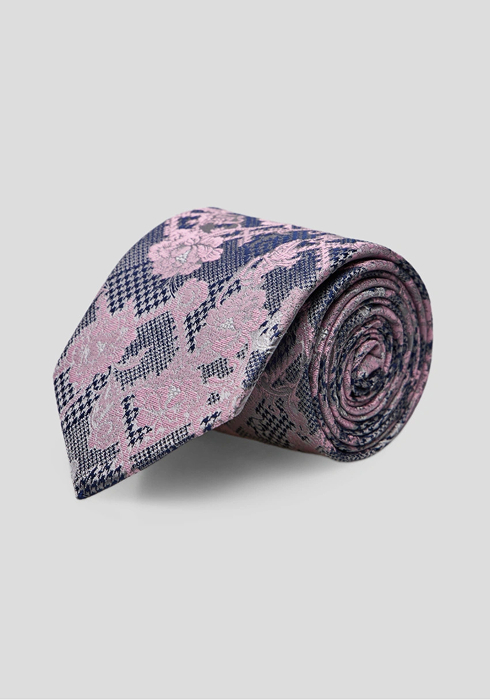
Festive patterns: Floral motifs on a tie or an elegant themed bow tie can also be a good wedding choice. The key is for the pattern to harmonize with the overall color palette or the event’s theme. A delicate floral print on the tie adds festive charm without looking overly loud.
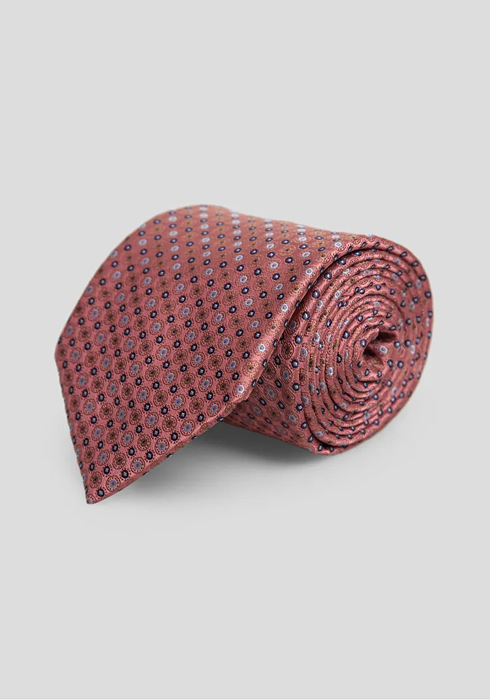
Brightness for guests: If you’re attending as a guest, you can allow slightly bolder colors or original microprints in your accessories, provided they coordinate with your suit and respect the event’s style. For example, a subtle pattern or a tie in a vivid shade matched to your pocket square or boutonnière will highlight attention to detail.
Time of day and wedding format
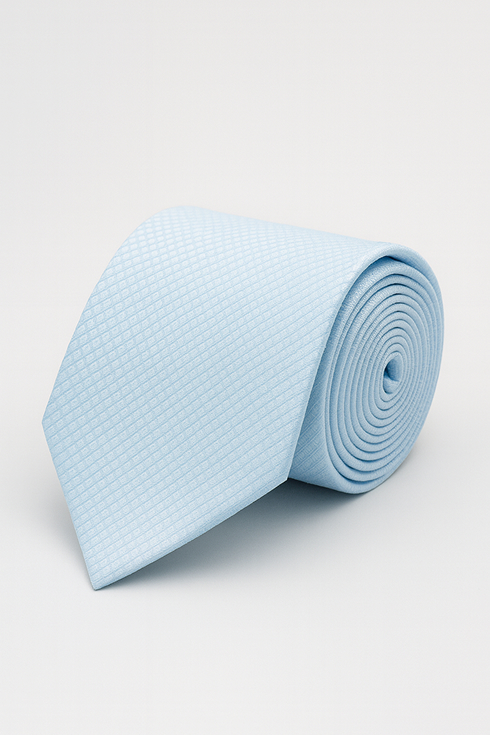
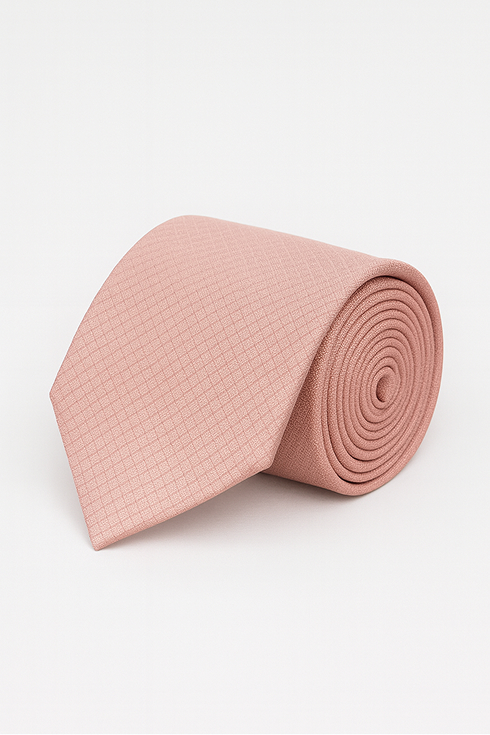
Daytime ceremony: For ceremonies held in the first half of the day—especially outdoors, in a garden, or at a countryside venue—light tones and soft pastels work best. A tie in light blue, beige, or blush will create a gentle look.
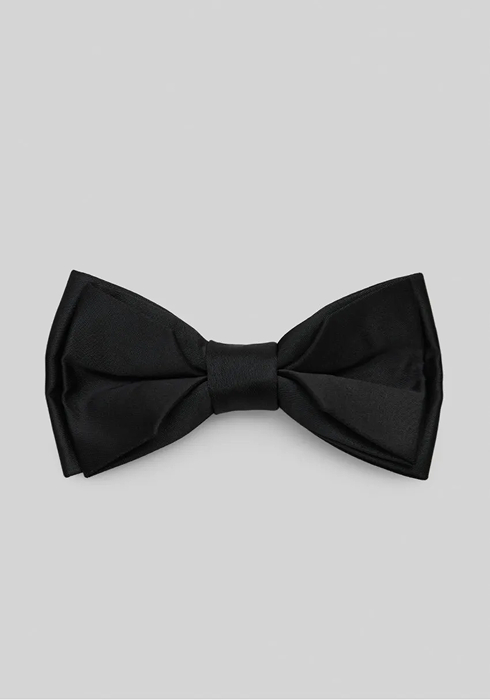
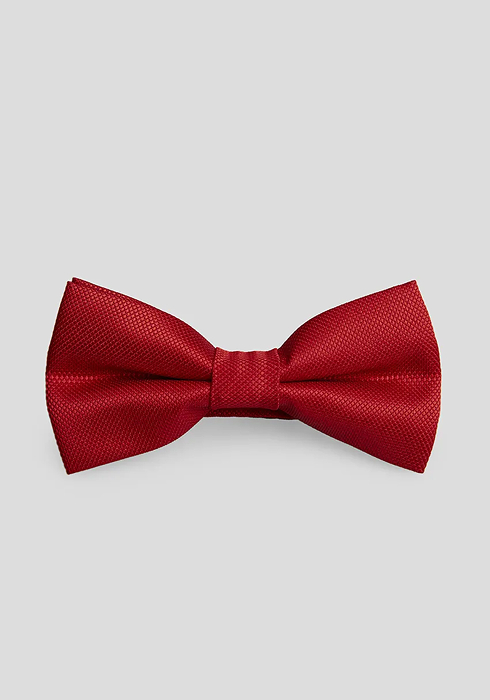
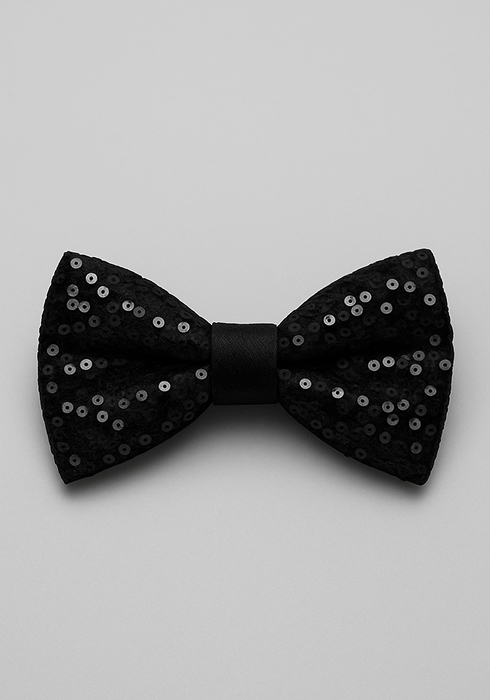
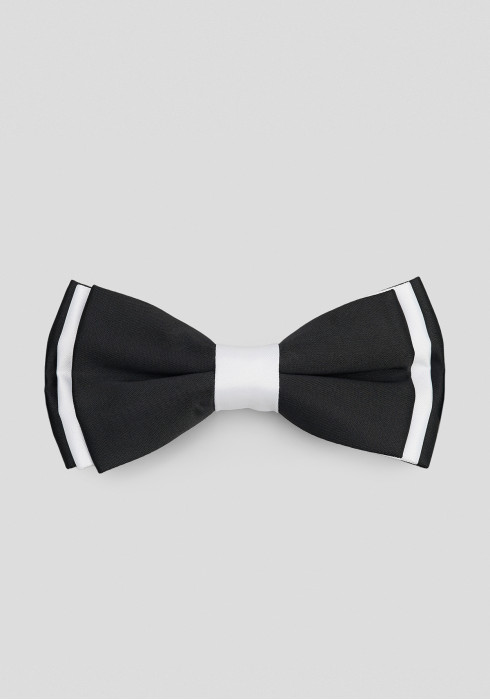
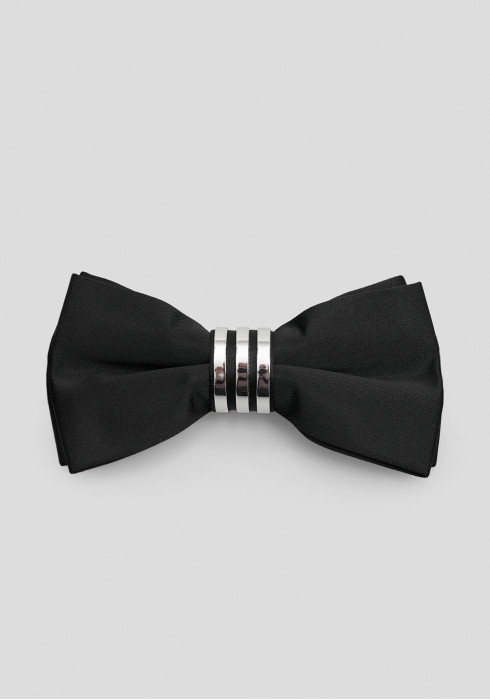
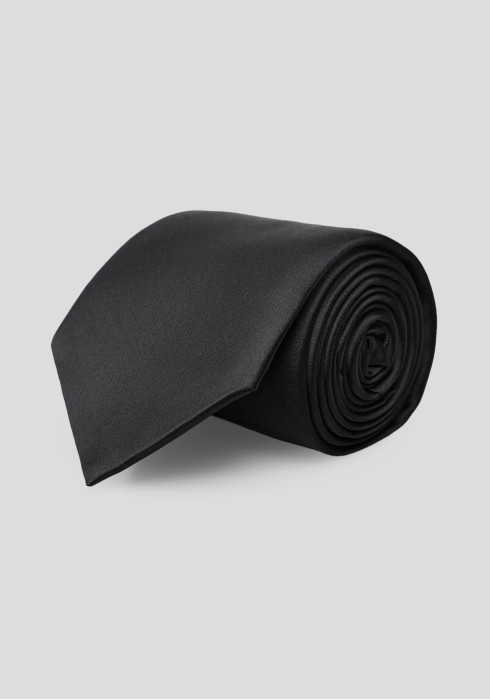
Evening reception: If the wedding program calls for an evening reception with a Black Tie dress code, the best choice is a classic black or dark bow tie. A restrained solid tie is also acceptable, but a classic tuxedo is best complemented by a black bow tie. For those who want to add some variety to black classics, an accent in the form of a deep wine-colored bow tie is possible, but only if it aligns with the event’s style.
Cocktail events and parties
For cocktail events, parties, or other semi-formal evening occasions, your approach to choosing a tie or bow tie can be bolder and more creative. Such events let you express personal style and add striking details, while it’s still important to retain elegance and appropriateness. Play with colors, textures, and materials, but keep moderation in mind so your choice highlights your style without appearing too flashy.
Tie
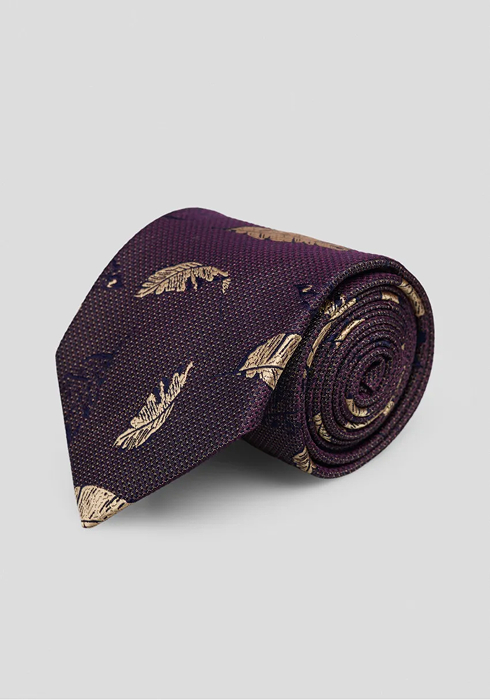
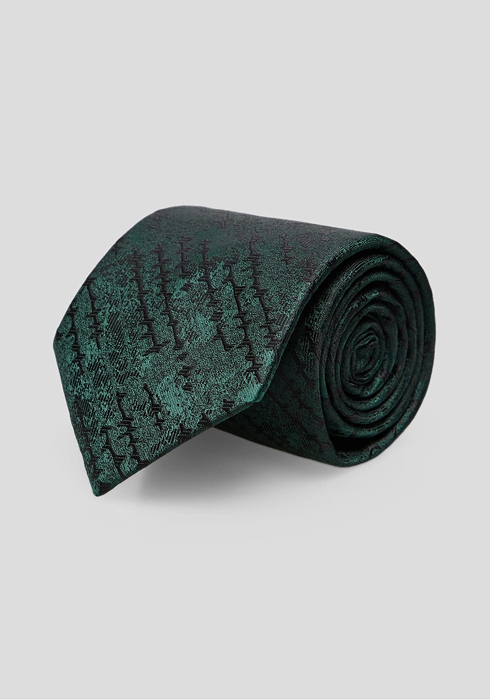
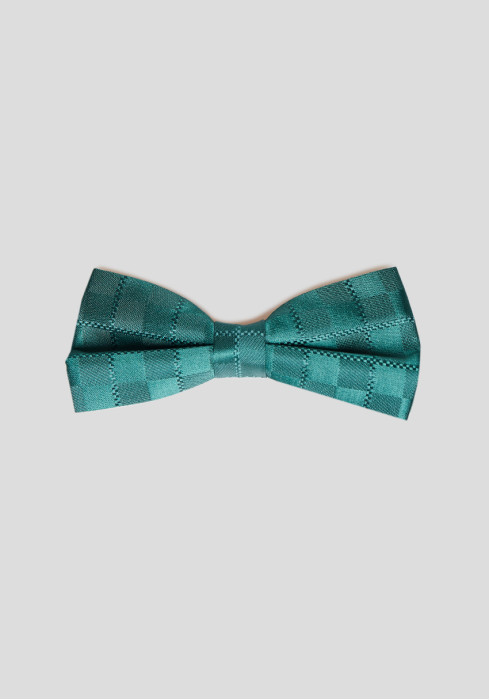
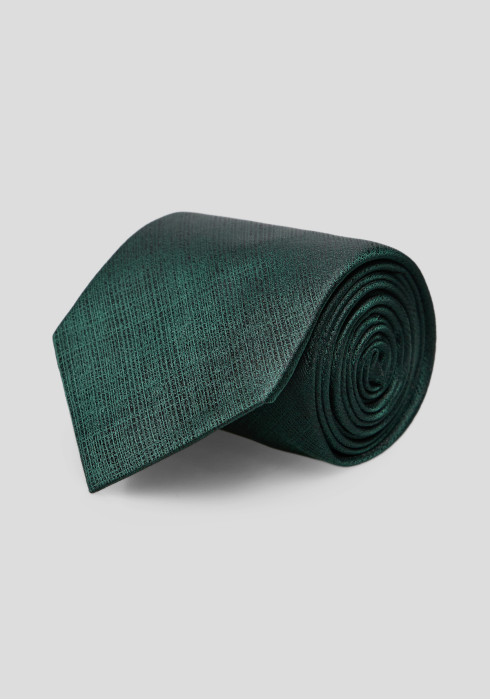
Rich colors: An evening cocktail is a great opportunity to step away from strictly conservative palettes and try deep, saturated tones. Ties in burgundy, emerald green, or dark purple look very striking. These shades pair perfectly with dark suits and underscore an evening atmosphere.
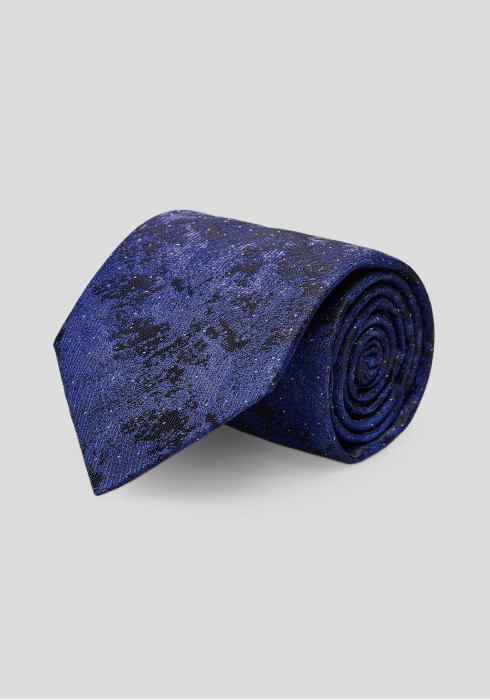
Texture and material: Consider ties with a refined sheen or interesting texture. A subtle shimmer or an elegant pattern on a tie looks more festive than matte business models and creates the desired celebratory effect. At the same time, avoid overloading the look: if the tie is shiny or has a pronounced pattern, keep the rest of the outfit more restrained.
Bow tie
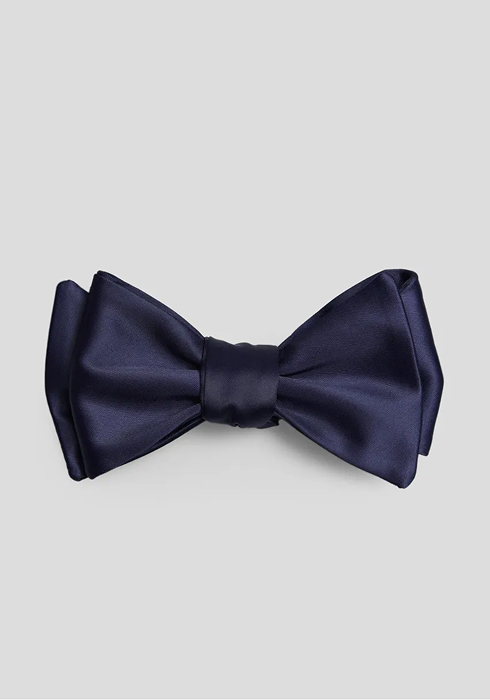
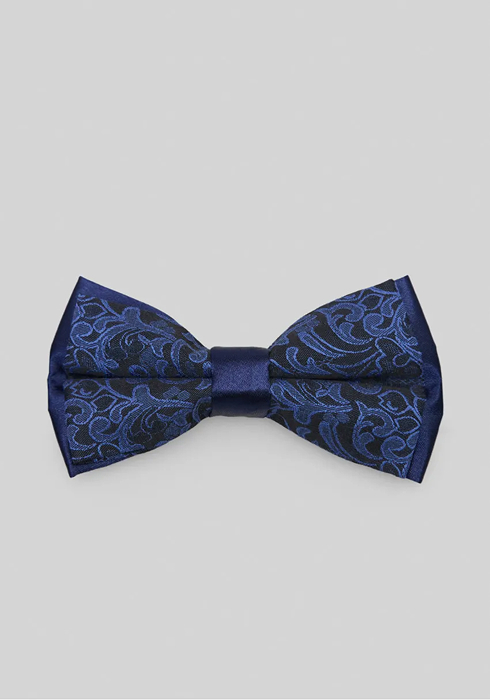
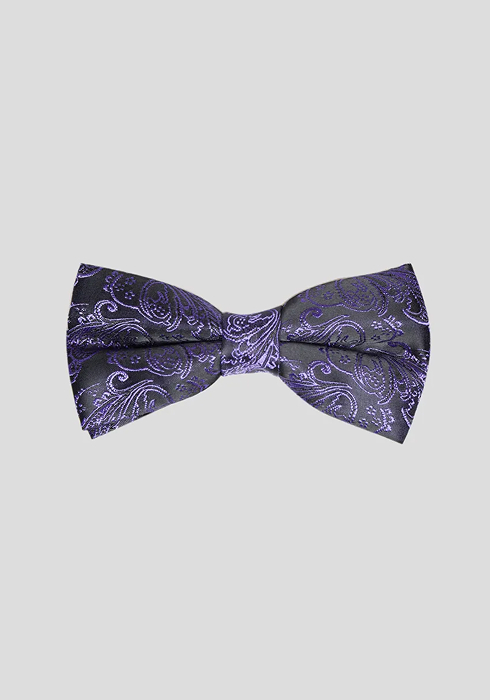
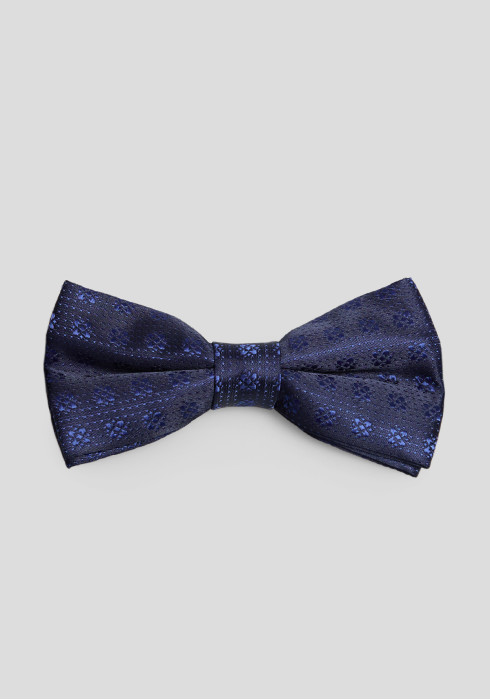
Materials and design: You can choose a bow tie that goes slightly beyond the everyday. A deep, dark-colored bow tie with an unusual pattern, fine ornament, or abstract print looks very interesting and festive—it will become the outfit’s accent detail.
Shape: Besides the standard bow shape, try a less traditional option such as the “diamond point” bow tie—its pointed ends draw attention and signal style savvy, making the look more interesting while remaining elegant enough for an evening out.
When preparing for a cocktail party, aim to add individuality without sacrificing appropriateness. Events with a relaxed evening dress code allow for more expressive details, but it’s important not to cross the line between originality and good taste. Always consider the stated dress code in the invitation, as even the most stylish accessory will look out of place if it contradicts the event format. Also ensure that the color and style of your tie or bow tie complement the suit rather than compete with it for attention.
Themed events and holidays
For special themed parties, holidays, or costume events, choosing a tie or bow tie can be the most creative and bold. Here it’s appropriate to consider the theme and even slightly exaggerate the styling.
Bold design: At themed celebrations, bright prints, non-standard materials, and shapes are allowed. For example, for a Christmas party you can wear a tie with a playful holiday pattern, and for a costume ball—a bow tie with sequins.
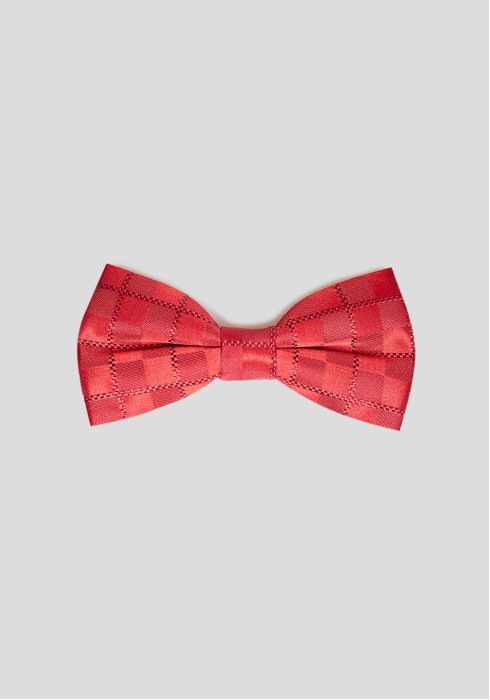
Color theme: Choose colors associated with the holiday. For instance, a red tie is appropriate for Christmas, orange—for a Halloween party. For a national holiday, you can pick a bow tie in the colors of the flag or with a characteristic pattern.
Balance of the look: The main goal of a themed accessory is to support the event’s atmosphere. Still, don’t forget the overall appearance: even the most extravagant tie should be well made, clean, and neatly tied. That way, your look remains stylish and makes a great impression.
Universal tips
Regardless of the type of event, there are universal rules that will help you choose the right accessory and look your best:
Follow the dress code: Always note the form of dress indicated in the invitation or expected at the event. Even the most beautiful tie or bow tie will be inappropriate if it contradicts the event format. For formal events, stick to conservative choices; for informal ones, you can allow more relaxed details.
Proportions matter: Choose the width and size of the accessory according to your build. Narrow ties and compact bow ties work better for slimmer men, while on a man with broad shoulders or a sturdy build, an overly skinny tie can look disproportionate. In this case, opt for a classic or wider tie.
Color harmony: Make sure your tie or bow tie complements your shirt and jacket rather than competing with them. If the suit and shirt are solid and restrained, the accessory can be a brighter accent. If the clothing has a pronounced pattern, it’s better to choose a solid tie or one with a very small motif. The goal is to create a cohesive, balanced look where all elements work together.
Relying on these tips, you’ll be able to choose a tie or bow tie for any occasion—from a strict formal reception to a fun themed celebration. Most importantly, remember: a well-chosen accessory reflects your personality and respect for the event.